The Unexplained Company Logo
Trump Started WW3?: What Russian Fires Really Show

Trump Started WW3?: What Russian Fires Really Show

Art Grindstone

January 1, 2026
Cataclysm Survival Briefing — Access Briefing Now

Key Takeaways

  • A YouTube video titled “⚡ALERT:Trump Just STARTED WW3! RIPS PUTIN! RUSSIA IN FLAMES!” (upload ID D9eqy7KLn3o) captures a wave of sensational posts tying political statements to real-world fires and explosions in Russia.
  • Verified reports from BBC Verify, Kyiv Post, and NASA FIRMS satellite data confirm large fires at sites like Taganrog, Saratov oil hub, and areas in Rostov and Belgorod.
  • No solid public evidence directly links a specific presidential comment to these incidents; questions linger on who or what caused them and whether they signal broader escalation.

The Night Smoke Rose Over Taganrog

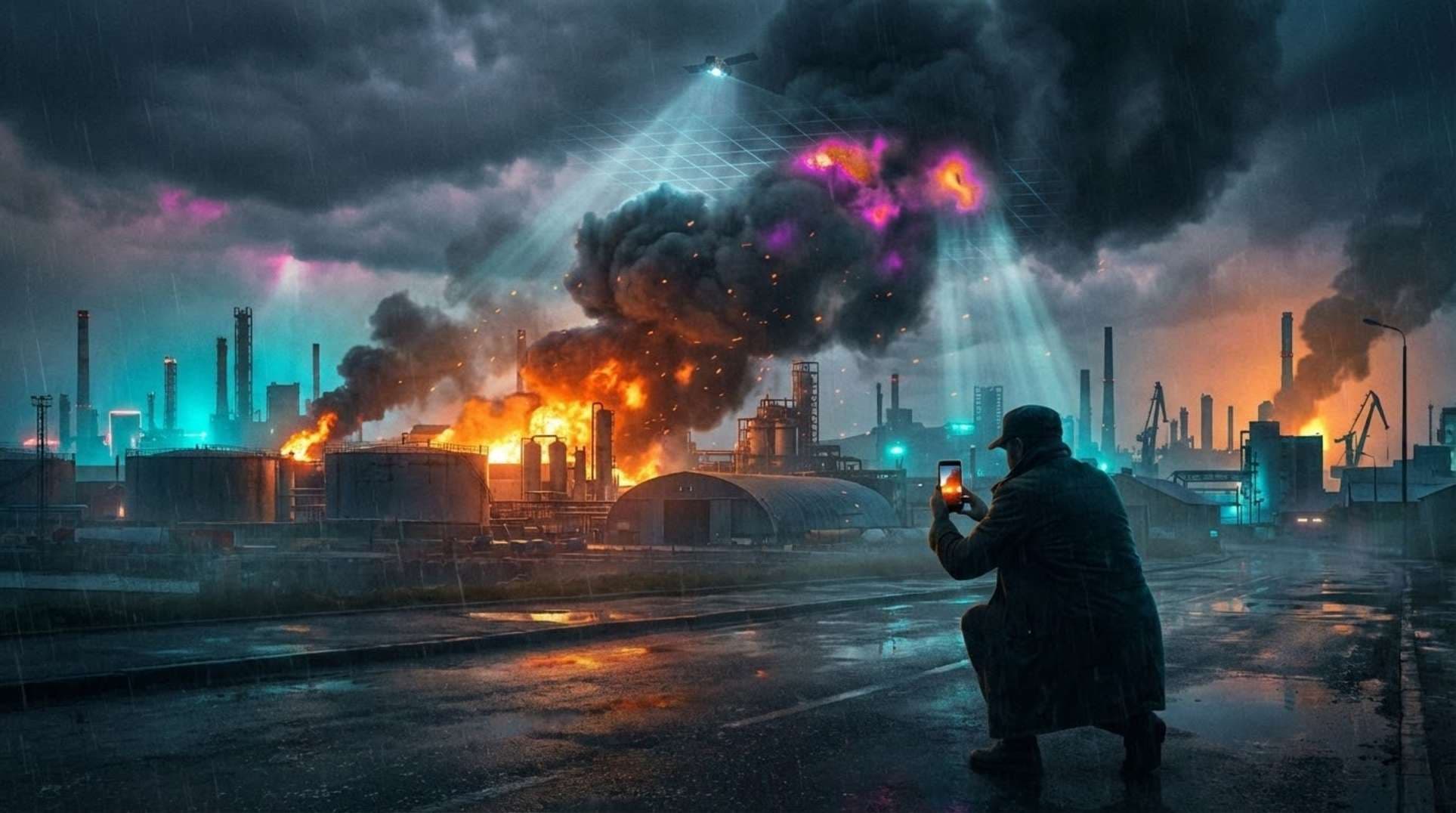
As dusk settled over Taganrog, the air shattered with blasts that echoed like thunder. Residents described fireballs erupting skyward, thick plumes of smoke blotting out the stars. Smartphone videos captured the chaos—flames licking buildings, people rushing to windows or streets in confusion and fear. These clips spread like wildfire online, amplified by claims linking them to heated political rhetoric. One viral post screamed that a leader’s words had ignited World War III. The stakes feel immediate: a single misread event could spiral into something far larger, feeding the unease that keeps us all watching the skies.

What Witnesses and Analysts Report

Locals in affected areas shared raw accounts of the blasts, posting footage that showed smoke rising from key sites. OSINT groups have stepped in, geolocating these videos to match exact locations on maps, building a picture that’s hard to dismiss. On social media and YouTube, creators connect the dots differently, framing the fires as direct fallout from bold statements against Putin, with titles that pull no punches. Policy experts from groups like the Arms Control Association see it another way—they point out how rhetoric can heighten tensions, but stress that proving a direct trigger demands hard operational proof. Each perspective adds layers, reminding us why these communities dig deep for answers.

Timelines, Tracks, and Hard Data

The timeline kicks off with specific dates and detections that anchor the story. NASA FIRMS and MODIS satellite imagery picked up thermal anomalies at sites like the Taganrog airfield and Saratov oil hub, matching eyewitness clips. Media outlets, including Newsweek pieces from April 11, 2025, and December 13, 2025, highlighted Trump’s comments on escalation risks, while Bloomberg covered White House calls with Putin. The YouTube video in question, with ID D9eqy7KLn3o, exemplifies how these elements fuse into viral narratives. Here’s a breakdown of key metrics:

MetricValueSource
YouTube Video IDD9eqy7KLn3oYouTube
Dates/Locations of Verified FiresTaganrog airfield; Saratov oil hub; Rostov/Belgorod areasBBC Verify, Kyiv Post
FIRMS Match TimestampsRecent detections correlating with reported incidentsNASA FIRMS / MODIS
Relevant Media/Analysis CitationsNewsweek (Apr 11, 2025; Dec 13, 2025); Bloomberg on White House callsNewsweek, Bloomberg

Official Story vs. What the Data Suggests

Official channels paint a restrained picture. The White House summarizes calls and statements without declaring wider conflict, while NATO pushes for de-escalation and avoids direct involvement. Russian sources often attribute incidents to accidents or internal issues, creating clashing accounts. Yet community OSINT, blending geolocated videos with FIRMS data, confirms the events happened—though it stops short of naming culprits. These gaps leave room for doubt, where institutional narratives meet independent scrutiny, and neither fully closes the loop on cause or blame.

Where the Evidence Ends and the Questions Begin

We can stand firm on this: fires and strikes hit Russian sites, backed by satellite heat signatures and ground footage. Headlines thrive on tying them to rhetoric, but proof of direct causation remains elusive. What triggered each one—state actors, irregular forces, or mishaps? How close are we to crossing lines into full-scale war? Resolving these would take public records like declassified orders or detailed timelines. Missteps in attribution fuel fear, pushing narratives that could tip the balance toward real escalation. It’s a reminder to tread carefully.

What It All Might Mean

Approach these viral claims with eyes wide open—check timestamps, transcripts of comments, and geolocated evidence to test the links. Reliable paths forward include NASA FIRMS updates, BBC Verify breakdowns, Kyiv Post OSINT, and Arms Control Association insights. Any official releases on calls or orders could shift the story. For now, the record shows confirmed incidents and rising rhetorical heat, but not a proven chain from words to flames. Stay vigilant; the patterns here echo broader anomalies we’ve tracked together. Share your leads—we’ll chase them down.

Frequently Asked Questions

Multiple explosions and large fires occurred at sites like Taganrog, Saratov oil hub, and areas in Rostov and Belgorod. Eyewitness accounts, smartphone videos, and satellite data from NASA FIRMS confirmed these events. Attribution for the causes remains contested, with no clear ties to specific triggers.

No publicly available evidence directly connects a specific presidential remark to the initiation of these strikes. Sensational headlines suggest causation, but policy analysts emphasize that proving such links requires operational documentation. The timeline shows rhetorical escalation risks, but not confirmed triggers.

Western officials, including the White House and NATO, urge de-escalation without claiming direct involvement. Russian statements often describe incidents as accidents or internal matters. OSINT and media verification confirm the events but highlight gaps in official narratives on responsibility.

Look to NASA FIRMS for satellite data, BBC Verify and Kyiv Post for geolocated reports, and the Arms Control Association for analysis on escalation risks. Avoid unverified viral claims; cross-check with timestamps and official releases. Community OSINT compilations offer valuable independent insights.