Key Takeaways
- James Fox and CAMP guests claim a buildup of credible, multi-sensor and eyewitness evidence for anomalous aerial phenomena, long obscured by authorities, with disclosure on the horizon.
- Public data from U.S. intelligence supports this with the ODNI’s June 2021 report on 144 mostly unexplained incidents over 17 years, and DoD/AARO’s count of 510 UAP reports as of August 30, 2022.
- Unresolved tensions persist, as NASA‘s 2023 UAP study found no extraterrestrial evidence but highlighted data limitations, while questions linger over classified records, data quality, and cases like Varginha in January 1996, investigated in IPM n.18/1997.
Nightfall at CAMP: A Filmmaker’s Confession by the Fire
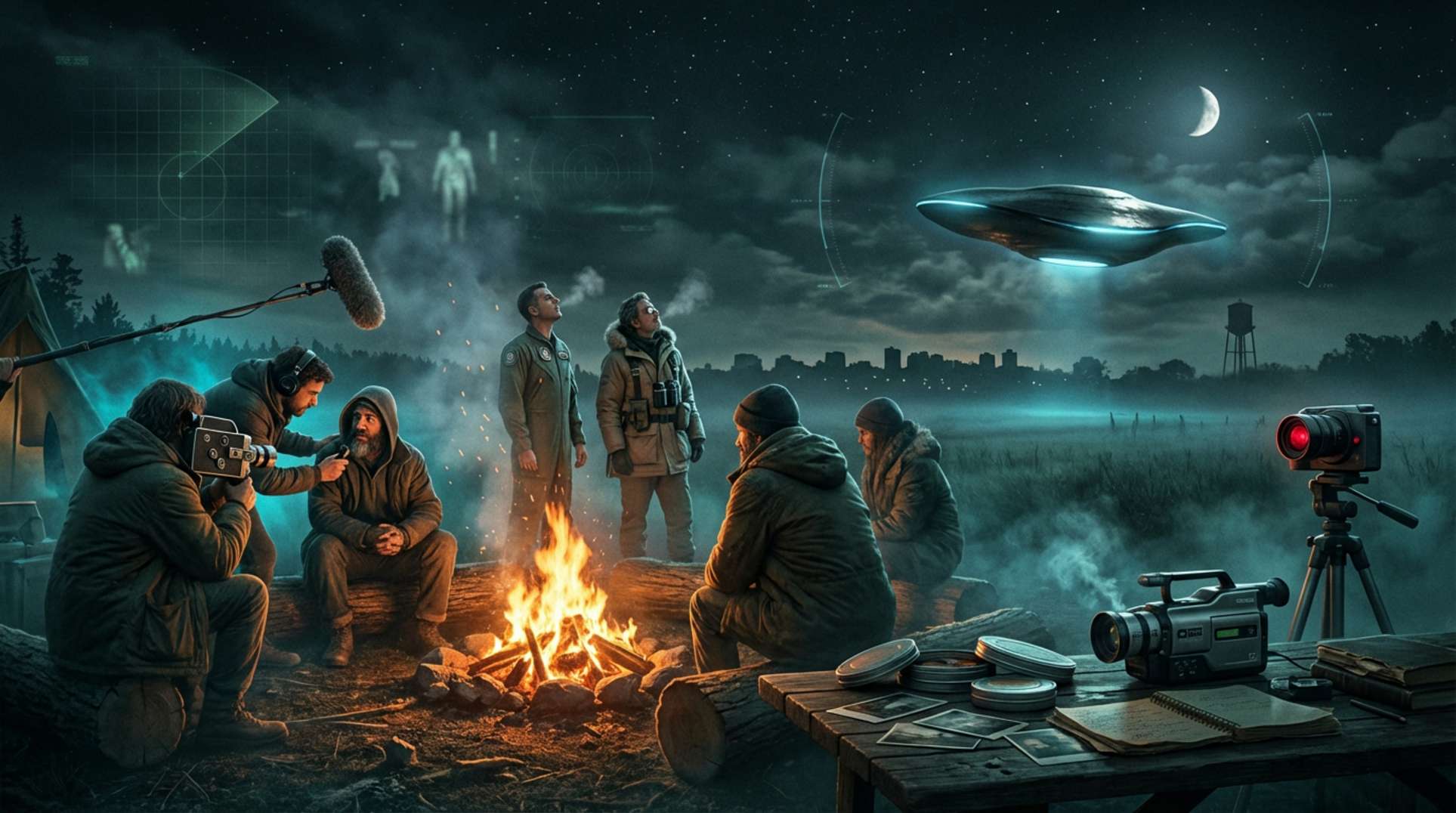
The fire crackles under a starlit sky, casting flickering shadows on a tight circle of listeners at CAMP. James Fox, the filmmaker behind The Moment of Contact, arrives with a portable camera humming softly, ready to capture the moment. He leans in, sharing filmed anecdotes and documents that have stirred debates for years. The air feels charged—not with preaching, but with the weight of unspoken truths emerging. Here, amid the quiet wilderness, Fox opens up about patterns in the skies that challenge everything from national security to aviation safety. It sets the stage for two paths: today’s sensor-tracked anomalies and echoes from the past, like the Varginha encounter that still haunts Brazil.
What Witnesses and Analysts Report
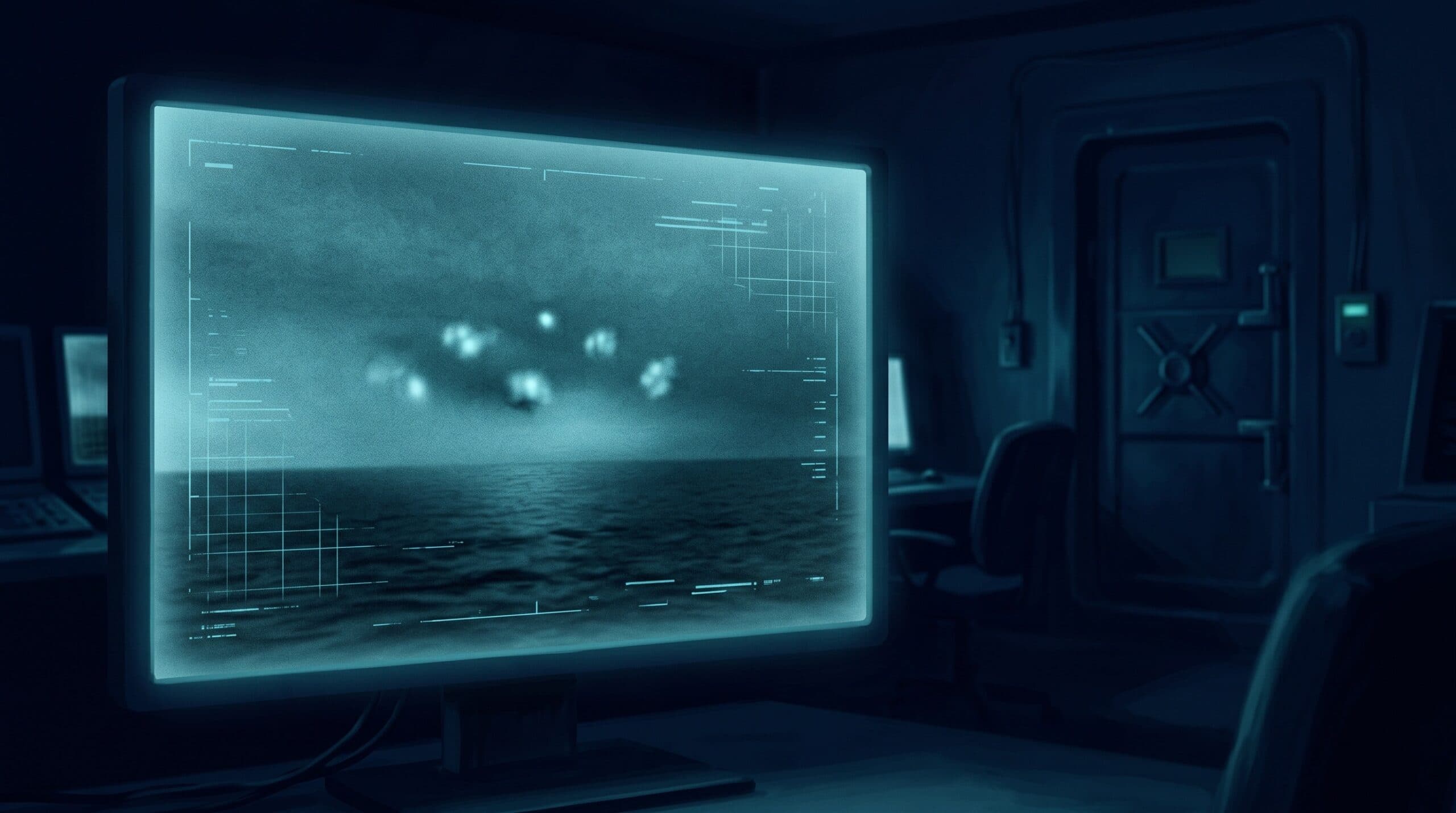
Pilots and sensor operators describe events backed by radar, infrared, and visual confirmations—objects performing maneuvers that defy known physics. Experiencers speak of close encounters, sudden accelerations, and hints of recoveries shrouded in secrecy. In Varginha, Brazil, around January 20, 1996, three local women claimed to see a strange creature near a vacant lot. Soon after, reports surfaced of UFO sightings and military activity involving firefighters. Brazilian ufologists picked up the thread in 1996 and 1997, turning it into a cultural landmark with tourism, monuments, books, and films. Yet some witnesses later changed their stories or backed away, and many never spoke publicly. Stigma has always pushed these accounts underground, making a full picture hard to assemble.
Timelines, Tracks, and Hard Data
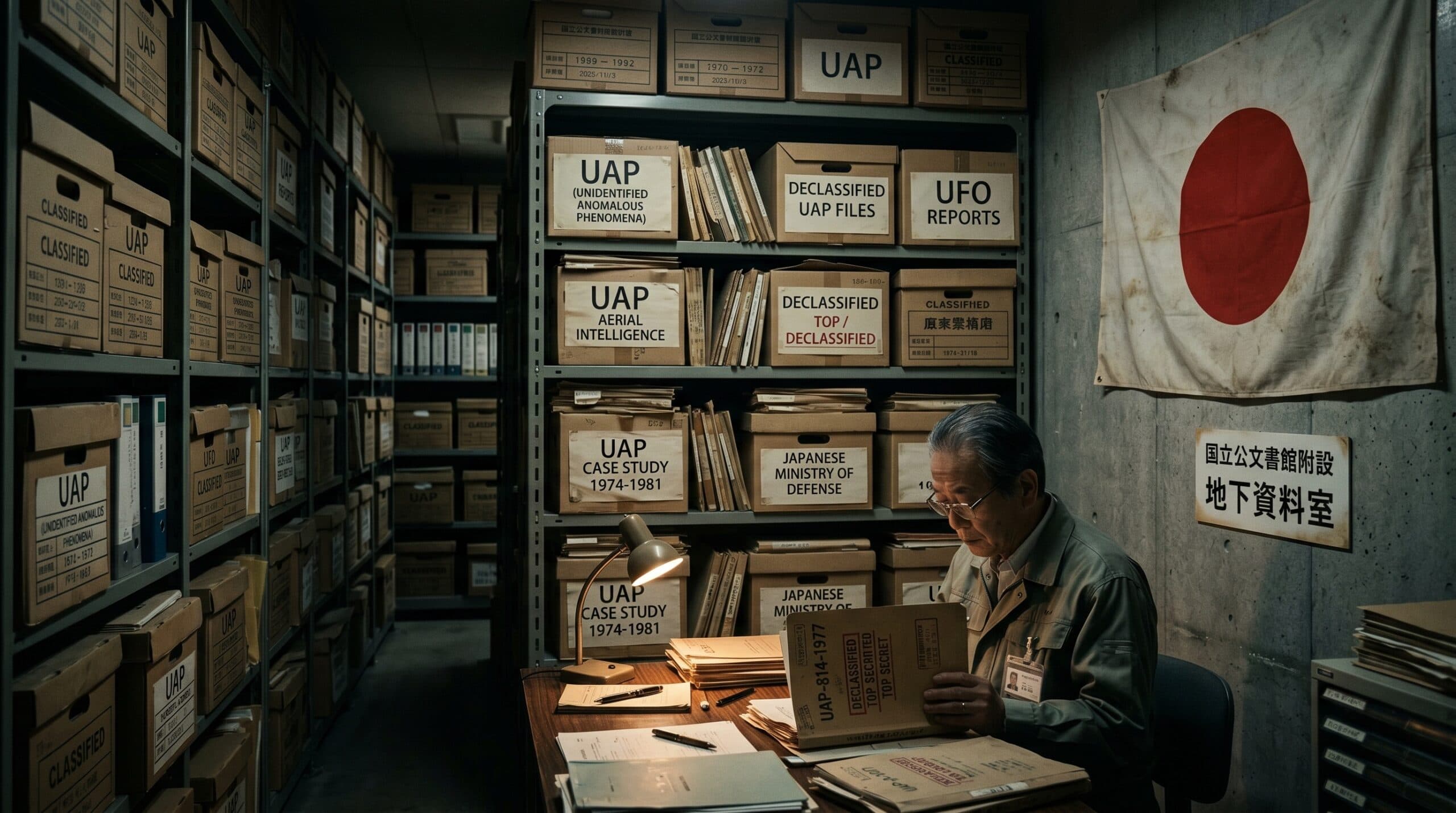
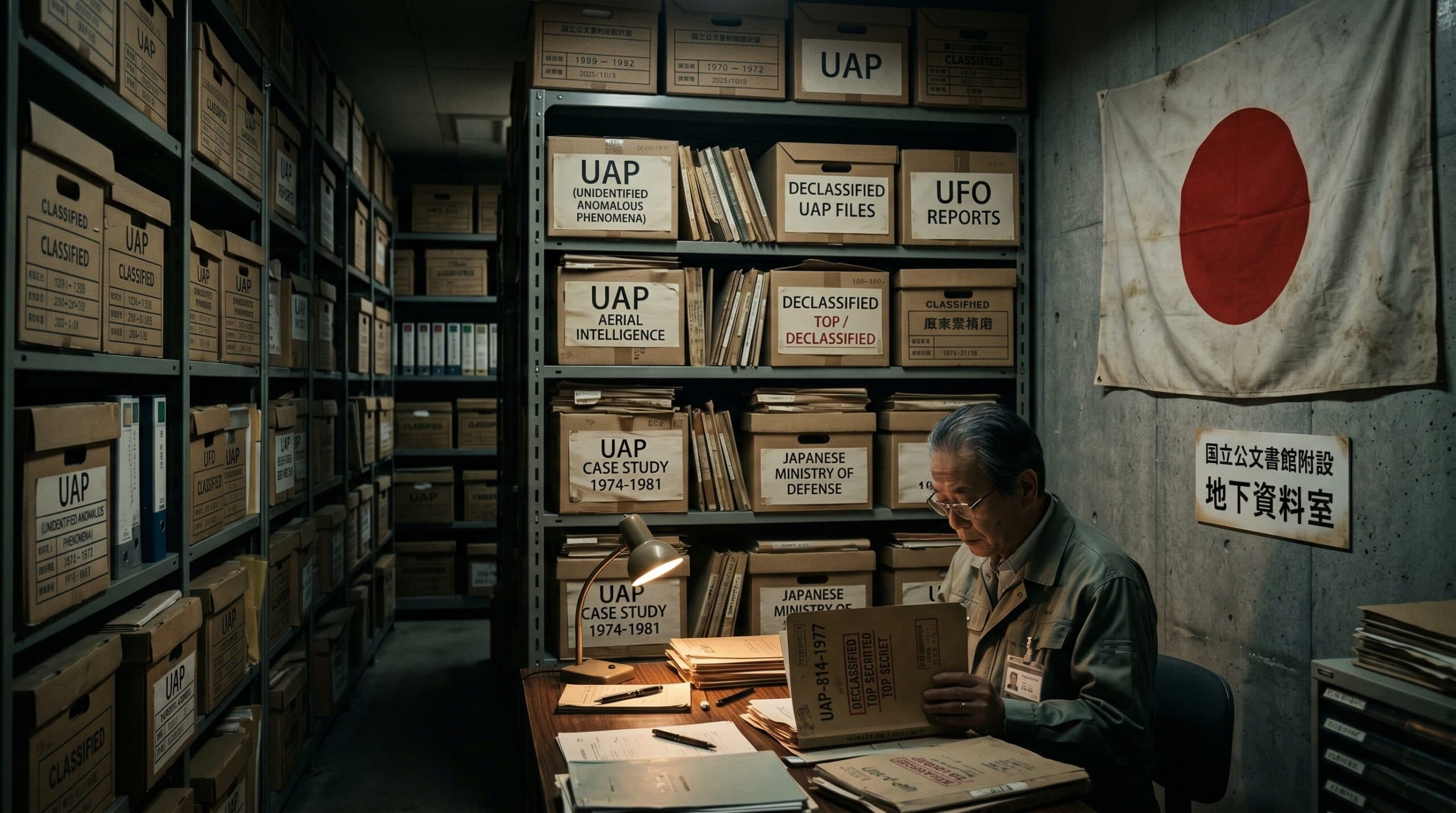
Official documents provide the backbone. The ODNI’s Preliminary Assessment from June 2021 examined 144 incidents over 17 years, concluding most remain unexplained and calling for better reporting. The DoD’s AARO, evolving from the UAPTF, documented 510 UAP reports in its dataset by August 30, 2022. NASA’s UAP study, announced on June 9, 2022, and finalized on September 14, 2023, urged standardized data collection while finding no extraterrestrial links. For Varginha, the Brazilian military’s IPM n.18/1997 inquiry, archived as Autos Findos n.908/1997, dismissed allegations as misidentifications without criminal elements. The story exploded in media from 1996 to 1997, shaping local culture ever since.
| Event/Report | Date/Key Metric |
|---|---|
| ODNI Preliminary Assessment | June 2021: 144 incidents over 17 years |
| AARO UAP Reports | 510 reports as of 30 Aug 2022 |
| NASA UAP Study Announced | 9 Jun 2022 |
| NASA Final Report | 14 Sep 2023 |
| Varginha Event | ~20 Jan 1996 |
| IPM Inquiry | n.18/1997 |
For deeper dives, check primary sources like the ODNI report, AARO historical documents, NASA’s final report, and scanned IPM summaries—links in the sourcing box below.
Official Story vs. What the Data Suggests
Agencies like ODNI, DoD, and NASA acknowledge unexplained events as real concerns for safety and security, but they point to data gaps and push for better tools. ODNI noted incursions without clear answers; AARO cataloged hundreds of reports; NASA called for scientific standards, seeing no ET proof. On Varginha, the military’s IPM n.18/1997 found no extraterrestrial evidence, suggesting everyday mix-ups instead. But researchers counter with patterns of multi-sensor hits across cases, and some journalists highlight unaddressed witness accounts or leaked files. Ufologists argue the inquiries missed key testimonies. What about classified annexes that could shift the story? Or the scarcity of sharable, high-quality sensor data? Agencies recommended third-party access, yet raw files remain locked away. These gaps keep the debate alive.
What It All Might Mean
Credible sources now confirm unexplained phenomena pose real risks, with new frameworks like AARO and NASA’s study stepping up the response. Still, classified details, the count of top-tier cases, and puzzles like Varginha’s alleged captures hang in the balance. This touches national security, safe skies, scientific progress, and places like Varginha, where the event reshaped lives and local economies. To move forward, chase FOIA requests for hidden annexes, push for de-identified sensor data, talk to surviving witnesses, and cross-check IPM records. Frame it as testing hypotheses—artifacts, known tech, or something truly anomalous—without rushing to labels. The record calls for better data and open access. Until that happens, mystery and fair doubt walk hand in hand.
Frequently Asked Questions
James Fox highlights credible multi-sensor and eyewitness accounts of anomalous aerial phenomena, backed by official reports like the ODNI’s 144 unexplained incidents and AARO’s 510 UAP reports. He argues authorities have obscured these, but disclosure feels imminent based on mounting data.
Witnesses in Varginha, Brazil, reported seeing a strange creature and UFO activity in January 1996, with military involvement noted. Official inquiries like IPM n.18/1997 dismissed extraterrestrial claims, suggesting misidentifications, but ufologists point to unresolved testimonies and cultural impacts like local tourism.
NASA’s study found no evidence of extraterrestrial origins in the incidents reviewed but stressed that limited, non-standardized data hinders conclusions. It recommended improved measurement programs and data standards to better analyze these phenomena.
Agencies cite data gaps and emphasize security concerns, often proposing mundane explanations. Witnesses and researchers highlight patterns in multi-sensor data and unaddressed testimonies, questioning if classified information or incomplete inquiries leave gaps in the official narrative.
These incidents raise issues of aviation safety, national security, and scientific standards. They also affect communities like Varginha, where events have influenced local culture and economy, underscoring the need for better data access and investigation.