Unraveling the Mystery: A Deep Dive into Cold Case…
True Crime
Unraveling the Mystery: A Deep Dive into Cold Case Investigations
Cold case investigations have always fascinated the public. These unsolved mysteries, sometimes spanning decades, challenge detectives and captivate true crime enthusiasts. This article explores the evolution of cold…
Art Grindstone is the hard-nosed storyteller behind Unexplained.co, a veteran investigator whose life’s work sits at the crossroads of the paranormal, fringe science, and the shadows most people try not to look into. With decades spent chasing impossible stories — black-budget psychic programs, vanished Cold War experiments, desert rituals that sparked UFO waves, and the strange phenomena buried in America’s forgotten backroads — Art brings a rare combination of skepticism, awe, and journalistic precision. He’s not here to debunk. He’s not here to blindly believe. He follows the evidence wherever it leads — even when it leads someplace deeply uncomfortable. Known for his immersive, cinematic style and his ability to turn obscure research into gripping narrative, Art has built a devoted following across podcasts, long-form features, documentaries, and serialized investigations. His interviews are direct. His analysis is unflinching. His voice has become a staple in the modern paranormal renaissance — the guy people turn to when a story is too strange, too complex, or too dangerous for anyone else to touch. Off-mic, Art works with a distributed network of researchers, archivists, and field operatives who help surface the stories mainstream media ignores. On-mic, he transforms their findings into meticulous, high-impact reporting that refuses to insult the intelligence of true believers. His philosophy is simple: Take the phenomenon seriously. Treat the audience with respect. Tell the story as if the world depends on it — because sometimes it does. When Art Grindstone digs into a case, he isn’t just chasing a mystery. He’s tracing the fault lines of reality itself.
8 min · 1,782 words
In This Report(37)
Cold case investigations have always fascinated the public. These unsolved mysteries, sometimes spanning decades, challenge detectives and captivate true crime enthusiasts. This article explores the evolution of cold case investigations, the techniques used to solve them, and the impact they have on families and communities.
Key Takeaways
Cold case investigations have evolved significantly over the years, thanks to advancements in technology and forensic science.
Techniques like DNA analysis and psychological profiling play crucial roles in solving long-standing mysteries.
Notable cases such as the Zodiac Killer and the Golden State Killer highlight the public’s enduring interest in cold cases.
Challenges like lack of evidence and resource constraints often hinder the progress of cold case investigations.
Community involvement and media coverage can significantly impact the outcomes of these investigations.
The Evolution of Cold Case Investigations
Historical Overview
Cold case investigations have come a long way since their early days. Initially, these cases were often left unresolved due to limited resources and lack of advanced technology. Investigators relied heavily on witness testimonies and physical evidence, which were not always reliable or available. Despite evolving forensic technology, traditional investigative methods are still proving valuable to revisiting unsolved cases.
Technological Advancements
The advent of new technologies has revolutionized cold case investigations. DNA analysis, fingerprint databases, and digital forensics have provided new avenues for solving old cases. These advancements have allowed investigators to re-examine evidence with fresh eyes, often leading to breakthroughs that were previously unimaginable.
Advertisement
Impact on Law Enforcement
The evolution of cold case investigations has significantly impacted law enforcement agencies. Specialized cold case units have been established, focusing solely on these long-forgotten cases. This shift has not only brought justice to many victims but also provided closure to families who have been waiting for answers for years. The dedication and persistence of these units highlight the importance of never giving up on seeking justice.
The Sandia Quantum Scientist Who Vanished: Ingrid Lane’s Double Life and the Mystery No One Solves
Ingrid Lane lived a double life — bipolar musician to the world, Sandia National Laboratories quantum computing scientist underneath. Then she disappeared. The story is a fixation in high-strangeness communities.
May 14, 2026 • 7 min read
Paranormal
The Mushroom That Makes People See Tiny People—and the Chemical Nobody Has Found
Reports from China, Papua New Guinea and the Philippines describe the same unnerving vision after eating one mushroom: crowds of tiny people. Researchers have now connected the cases to Lanmaoa asiatica, but the active chemical remains unknown.
Aug 20, 2026 • 9 min read
Strange History
The 4,000-Year-Old Tablet Nobody Can Explain
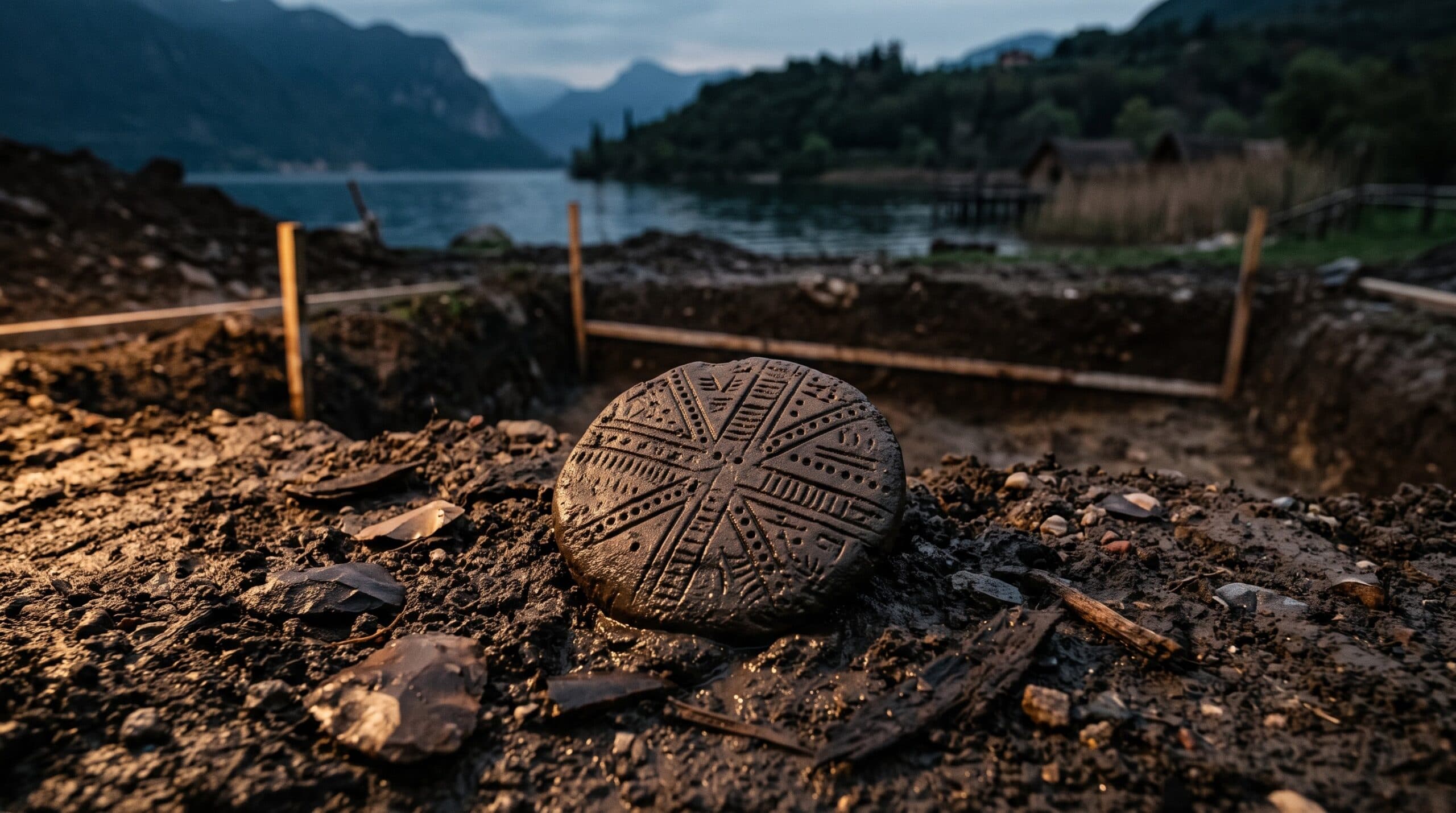
An intact 4,000-year-old tablet from northern Italy carries geometric signs no one can read. Its real mystery may be the network behind it.
Aug 18, 2026 • 7 min read
Forensic science plays a crucial role in solving cold cases. By examining physical evidence from crime scenes, forensic experts can uncover details that were previously overlooked. Advancements in forensic technology have made it possible to re-examine old evidence with new methods, often leading to breakthroughs in long-unsolved cases.
DNA Analysis
DNA analysis has revolutionized the field of cold case investigations. With the ability to extract and analyze DNA from even the smallest samples, investigators can now link suspects to crimes with a high degree of certainty. This technique has been instrumental in solving many high-profile cases, including those that have baffled investigators for decades.
Psychological Profiling
Psychological profiling involves analyzing the behavior and characteristics of unknown offenders. By understanding the mindset and patterns of a criminal, profilers can provide valuable insights that help narrow down suspect lists. This method is particularly useful in cases involving serial killers and other repeat offenders.
The combination of these techniques has significantly improved the success rate of solving cold cases, bringing closure to families and justice to victims.
Notable Cold Case Investigations That Captivated the Public
The Zodiac Killer
The Zodiac Killer is one of the most infamous unsolved cases in American history. Operating in Northern California during the late 1960s and early 1970s, the killer is known for sending cryptic messages to the press. Despite numerous suspects and extensive investigations, the true identity of the Zodiac Killer remains a mystery. This case continues to baffle investigators and captivate the public.
The JonBenét Ramsey Case
The tragic murder of six-year-old JonBenét Ramsey in her family’s home in Boulder, Colorado, in 1996 shocked the nation. The case was marked by a controversial investigation, numerous theories, and intense media scrutiny. Despite advancements in forensic technology, the case remains unsolved, leaving the public and the family in search of answers.
The Golden State Killer
The Golden State Killer, also known as the East Area Rapist and the Original Night Stalker, terrorized California from the mid-1970s to the mid-1980s. The case went cold for decades until DNA evidence led to the arrest of Joseph James DeAngelo in 2018. This breakthrough highlighted the power of modern forensic science in solving cold cases and brought a sense of closure to the victims and their families.
Challenges Faced in Cold Case Investigations
Lack of Evidence
One of the most significant challenges in cold case investigations is the lack of evidence. Over time, physical evidence can degrade, become lost, or be improperly stored. This makes it difficult for investigators to piece together what happened. Additionally, advances in forensic science may not be applicable to older evidence, further complicating the investigation.
Witness Reluctance
Witnesses who might have crucial information often become reluctant to come forward as time passes. They may fear retaliation, have moved away, or simply forgotten important details. This reluctance can severely hinder the progress of an investigation, leaving many questions unanswered.
Resource Constraints
Cold cases often suffer from limited resources. Law enforcement agencies may prioritize current cases over older ones, leading to fewer personnel and less funding dedicated to solving cold cases. This lack of resources can result in slower progress and fewer breakthroughs, making it even harder to bring closure to these long-standing mysteries.
Cold cases remain unsolved for years or even decades due to challenges with investigation. Lack of evidence, limited manpower and resources, and witness reluctance are just a few of the hurdles that investigators face.
Despite these challenges, the dedication of investigators and the support of the community can sometimes lead to breakthroughs, offering hope to those seeking justice.
The Role of Media in Cold Case Investigations
Raising Public Awareness
Media plays a crucial role in bringing attention to cold cases. News outlets, documentaries, and podcasts can highlight unsolved mysteries, keeping them in the public eye. This constant exposure can lead to new tips and leads from the community, which might otherwise remain hidden.
Media Trials
Sometimes, the media can act as a double-edged sword. While it helps in raising awareness, it can also lead to media trials where suspects are judged in the court of public opinion before any legal proceedings. This can complicate investigations and affect the fairness of trials.
Impact on Investigations
The media’s involvement can significantly impact the direction and progress of investigations. Positive coverage can lead to increased resources and public interest, while negative or sensationalized reporting can hinder the process. It’s essential for law enforcement to manage media relations carefully to ensure that the investigation remains unbiased and effective.
Advertisement
Community Involvement in Cold Case Investigations
Public Tips and Leads
Community members play a crucial role in solving cold cases by providing valuable tips and leads. Often, someone might have seen or heard something that can be the missing piece of the puzzle. Encouraging the public to come forward with any information, no matter how small, can significantly aid investigations.
Volunteer Organizations
Volunteer organizations, such as the Vidocq Society, are instrumental in assisting law enforcement with cold cases. Founded in 1990 in Philadelphia, PA, the society was created to help homicide investigators solve long-unsolved homicides. These groups bring together experts from various fields to review and analyze cases, offering fresh perspectives and expertise.
Social Media Campaigns
Social media has become a powerful tool in raising awareness and gathering information about cold cases. Campaigns on platforms like Facebook and Twitter can reach a wide audience quickly, spreading information and encouraging people to share what they know. This collective effort can lead to new leads and, ultimately, breakthroughs in cases.
Community involvement is essential in keeping cold cases alive and pushing for justice. By working together, we can help bring closure to families and ensure that no case is forgotten.
The Psychological Impact on Families and Investigators
Emotional Toll on Families
The emotional toll on families involved in cold cases is immense. Families often live in a state of limbo, not knowing what happened to their loved ones. This uncertainty can lead to prolonged grief and mental health issues. Many families engage in awareness campaigns and social media initiatives to keep the memory of their loved ones alive and to seek justice.
Burnout Among Investigators
Investigators working on cold cases face their own set of challenges. The lack of new leads and the pressure to solve these cases can lead to burnout. They often work long hours, sifting through old evidence and following up on new tips, which can be mentally and physically exhausting.
Coping Mechanisms
Both families and investigators develop coping mechanisms to deal with the stress. Families may find solace in community support and advocacy work. Investigators often rely on peer support and professional counseling to manage the emotional strain. Despite the challenges, the drive to find answers keeps them going.
The emotional and psychological impact of cold cases is profound, affecting both families and investigators deeply. The quest for justice and closure is a powerful motivator, even in the face of overwhelming odds.
The emotional toll on families and investigators involved in intense cases can be overwhelming. It’s crucial to understand these impacts to provide better support and resources. For more insights and resources, visit our website and explore our extensive library.
Conclusion
Cold case investigations remind us of the many mysteries that remain unsolved in our world. They show us the importance of never giving up on finding the truth, no matter how much time has passed. Each case, like that of Charles Morgan, leaves a lasting impact on the community and the families involved. By keeping these stories alive and continuing to search for answers, we honor the memories of those who have been lost. Together, we can help bring justice and closure to those who need it most.
Frequently Asked Questions
What is a cold case?
A cold case is a criminal investigation that has not been solved after a considerable amount of time and has no new leads or suspects.
How do investigators reopen a cold case?
Investigators can reopen a cold case when new evidence surfaces, such as DNA matches, new witness statements, or advancements in forensic technology.
What role does DNA play in solving cold cases?
DNA can be crucial in solving cold cases by matching crime scene evidence with suspects or identifying unknown victims.
Why are some cases harder to solve than others?
Some cases are harder to solve due to lack of evidence, uncooperative witnesses, or the time elapsed since the crime occurred.
Can the public help in solving cold cases?
Yes, the public can help by providing tips, sharing information on social media, or participating in community awareness events.
What impact do cold cases have on the families involved?
Cold cases can have a significant emotional toll on families, causing prolonged grief and a sense of unresolved loss.
Art Grindstone is the hard-nosed storyteller behind Unexplained.co, a veteran investigator whose life’s work sits at the crossroads of the paranormal, fringe science, and the shadows most people try not to look into. With decades spent chasing impossible stories — black-budget psychic programs, vanished Cold War experiments, desert rituals that sparked UFO waves, and the strange phenomena buried in America’s forgotten backroads — Art brings a rare combination of skepticism, awe, and journalistic precision. He’s not here to debunk. He’s not here to blindly believe. He follows the evidence wherever it leads — even when it leads someplace deeply uncomfortable. Known for his immersive, cinematic style and his ability to turn obscure research into gripping narrative, Art has built a devoted following across podcasts, long-form features, documentaries, and serialized investigations. His interviews are direct. His analysis is unflinching. His voice has become a staple in the modern paranormal renaissance — the guy people turn to when a story is too strange, too complex, or too dangerous for anyone else to touch. Off-mic, Art works with a distributed network of researchers, archivists, and field operatives who help surface the stories mainstream media ignores. On-mic, he transforms their findings into meticulous, high-impact reporting that refuses to insult the intelligence of true believers. His philosophy is simple: Take the phenomenon seriously. Treat the audience with respect. Tell the story as if the world depends on it — because sometimes it does. When Art Grindstone digs into a case, he isn’t just chasing a mystery. He’s tracing the fault lines of reality itself.