
In New England, a rich tapestry of history intertwines with myths known as "Yankee Lore." These tales, often accepted as truth, paint a picture of early settlers and their interactions with the land and its original inhabitants. However, a deeper exploration reveals a more complex narrative.
Key Takeaways
- Yankee Lore often misrepresents Indigenous contributions.
- Indigenous peoples built with stone over 4,000 years ago.
- The concept of a "pristine wilderness" is a myth.
- Cultural inertia makes it hard to challenge established narratives.
The Myth Of The Pristine Wilderness
Many believe that European settlers arrived in a pristine wilderness, untouched by human hands. This narrative suggests that Indigenous peoples were merely nomadic hunter-gatherers, living in harmony with nature. However, this is a misrepresentation. Scholars like William Cronon and Charles C. Mann argue that Indigenous peoples actively managed the land through practices like controlled burning and agriculture.
The Reality Of Indigenous Stonework
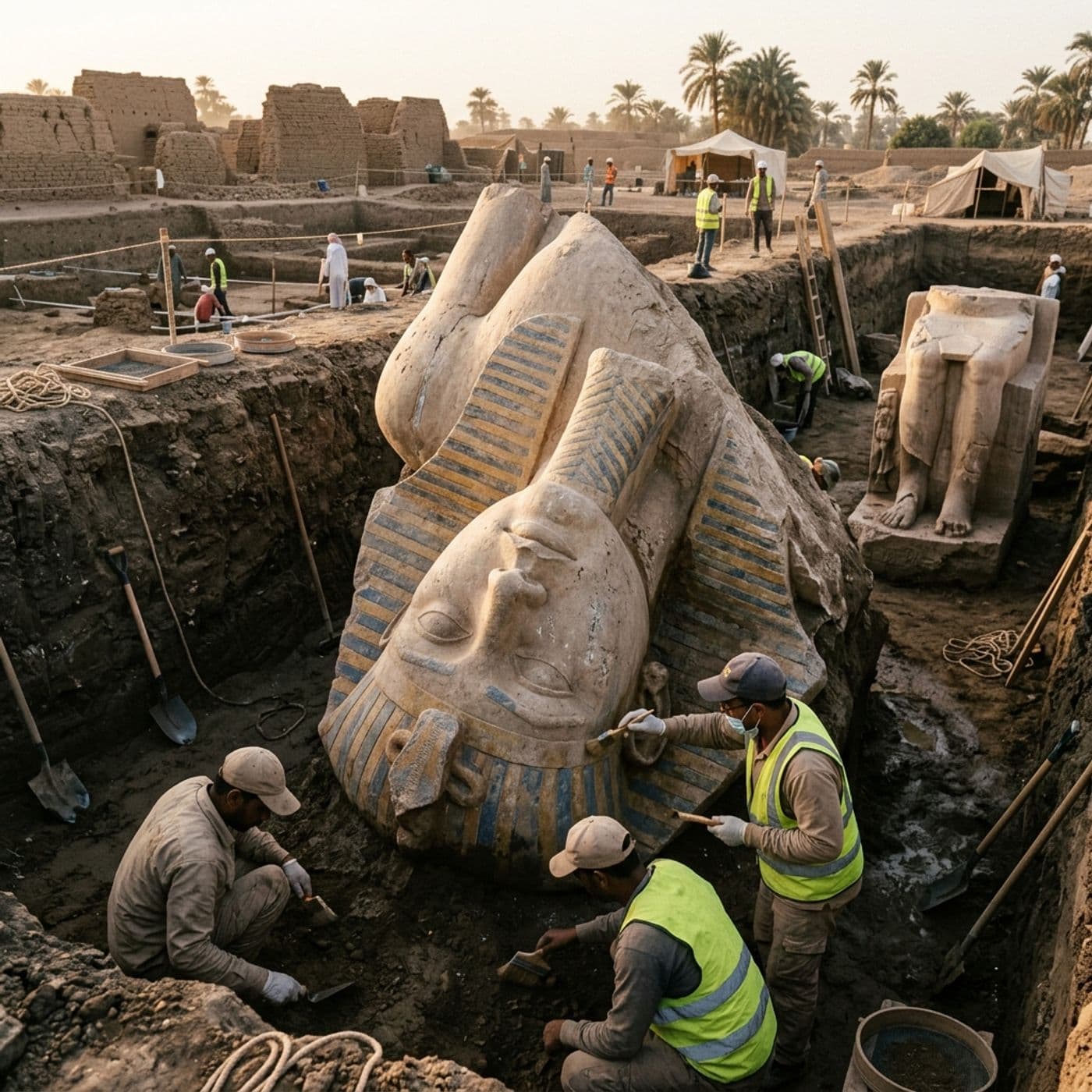
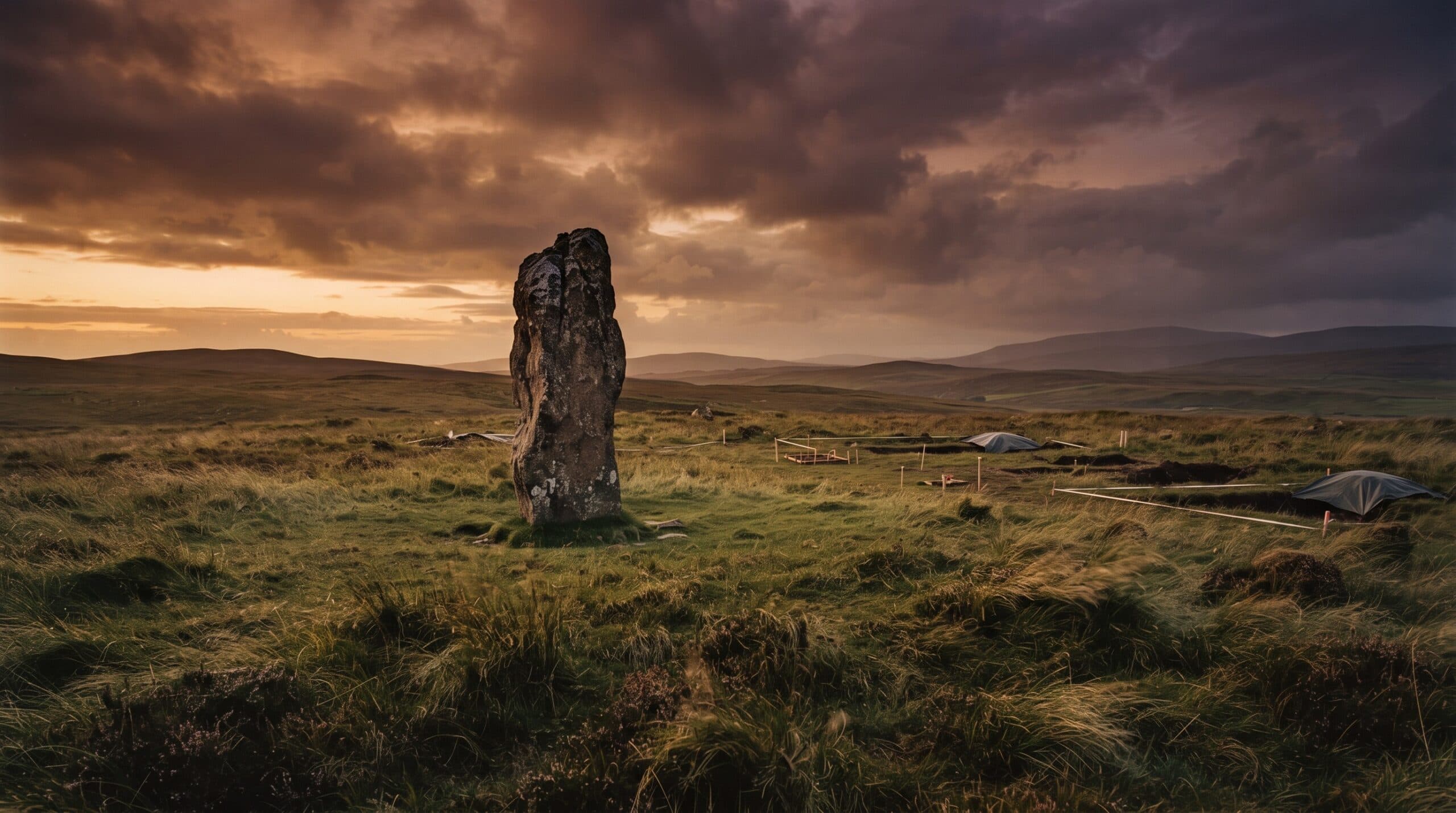
Contrary to popular belief, Indigenous peoples in New England have been constructing stone structures for over 4,000 years. The oldest documented stone wall in Massachusetts was discovered in 1980, yet it took decades for this information to reach the public. Why the delay? It seems that acknowledging Indigenous stonework challenges the established Yankee Lore.
Advertisement
Cultural Inertia And Its Impact
Yankee Lore creates a cultural inertia that makes it difficult to change perceptions. Even archaeologists have been influenced by these narratives. The idea that "Indians around here didn’t build with stone" is a widely held assumption, despite evidence to the contrary. This inertia can lead to a reluctance to accept new findings that contradict long-held beliefs.
The Role Of Fire In Indigenous Land Management
Tim MacSweeney, a ceremonial stone landscape researcher, suggests that Indigenous peoples used stone fire breaks to manage agricultural fires. This practice indicates a sophisticated understanding of land management, further challenging the notion that Indigenous peoples were passive inhabitants of the land.
Advertisement