
Key Takeaways
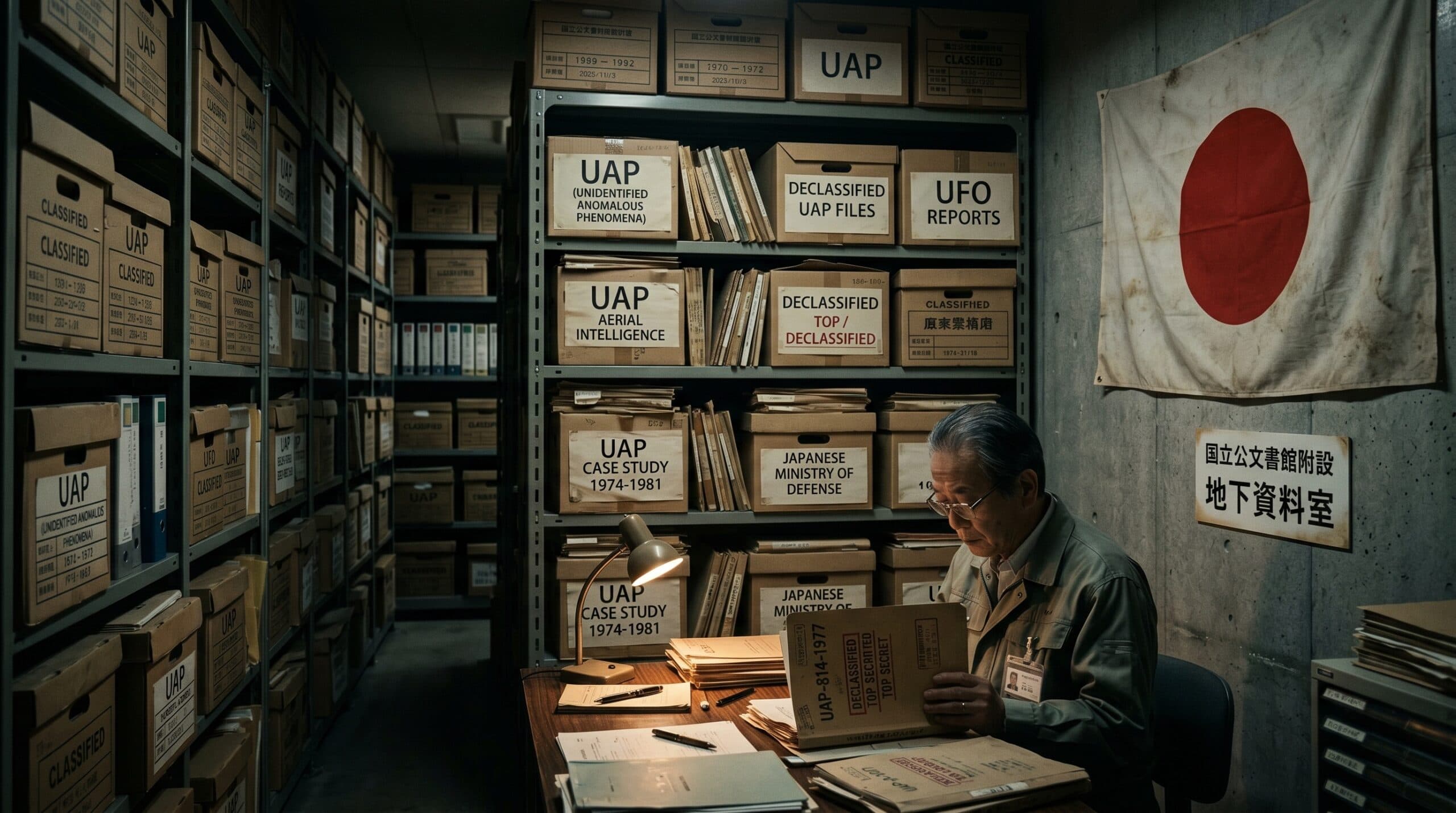
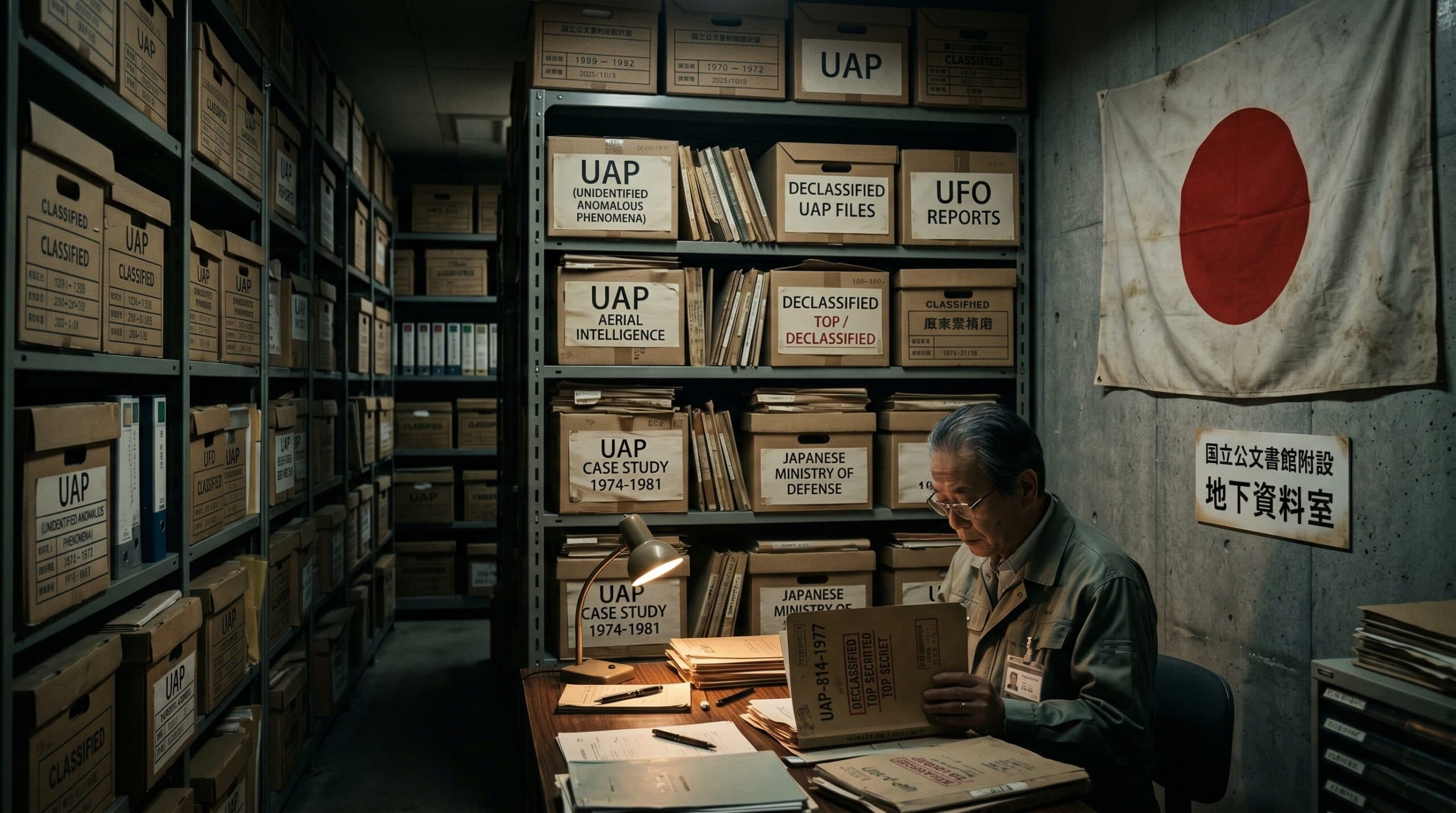
- Archives like Rice University’s AOTI, founded in 2014, now hold around 18 collections and over a million documents by 2025, preserving crucial UAP records that challenge official narratives.
- The 2004 USS Nimitz ‘Tic Tac’ encounter, backed by FLIR and IR footage released in 2017, remains a standout anomaly with reports of extreme maneuvers defying known physics.
- Official reports from ODNI in 2021, AARO in 2022, and NASA in 2023 document hundreds of new UAP cases—757 in FY24 alone—yet leave many unresolved, highlighting why archival work is essential for independent scrutiny.
A Quiet Night on the Carrier Deck
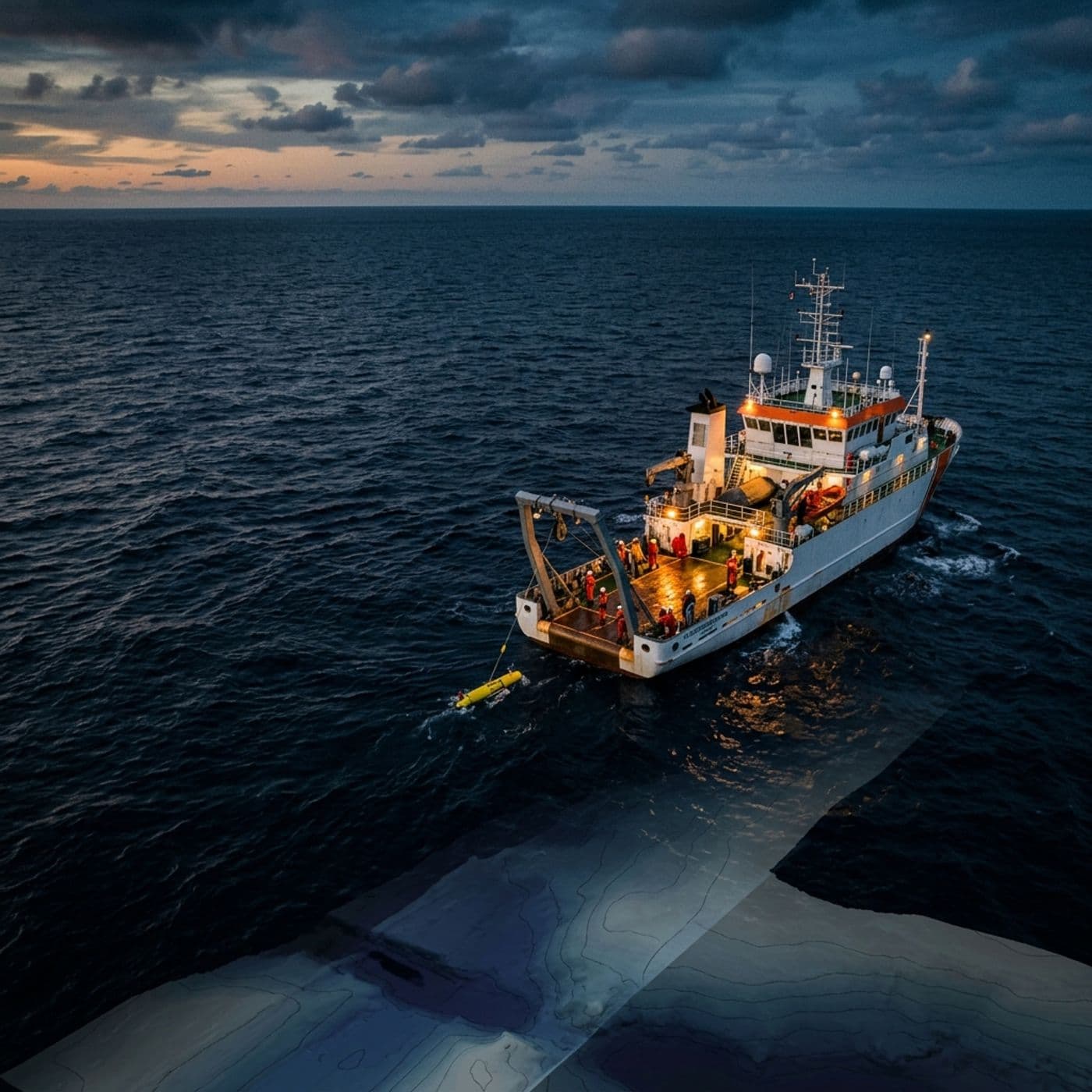
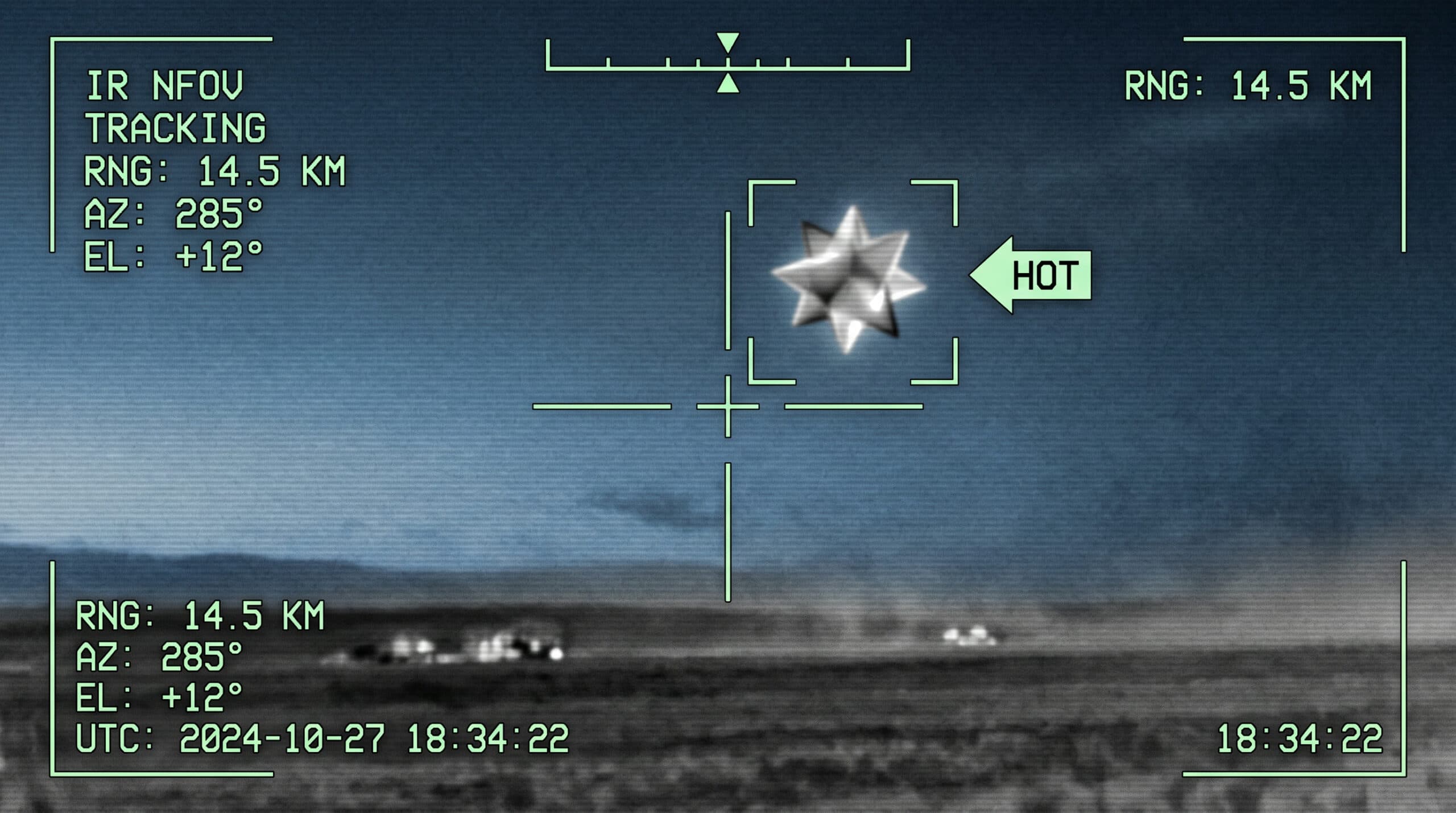
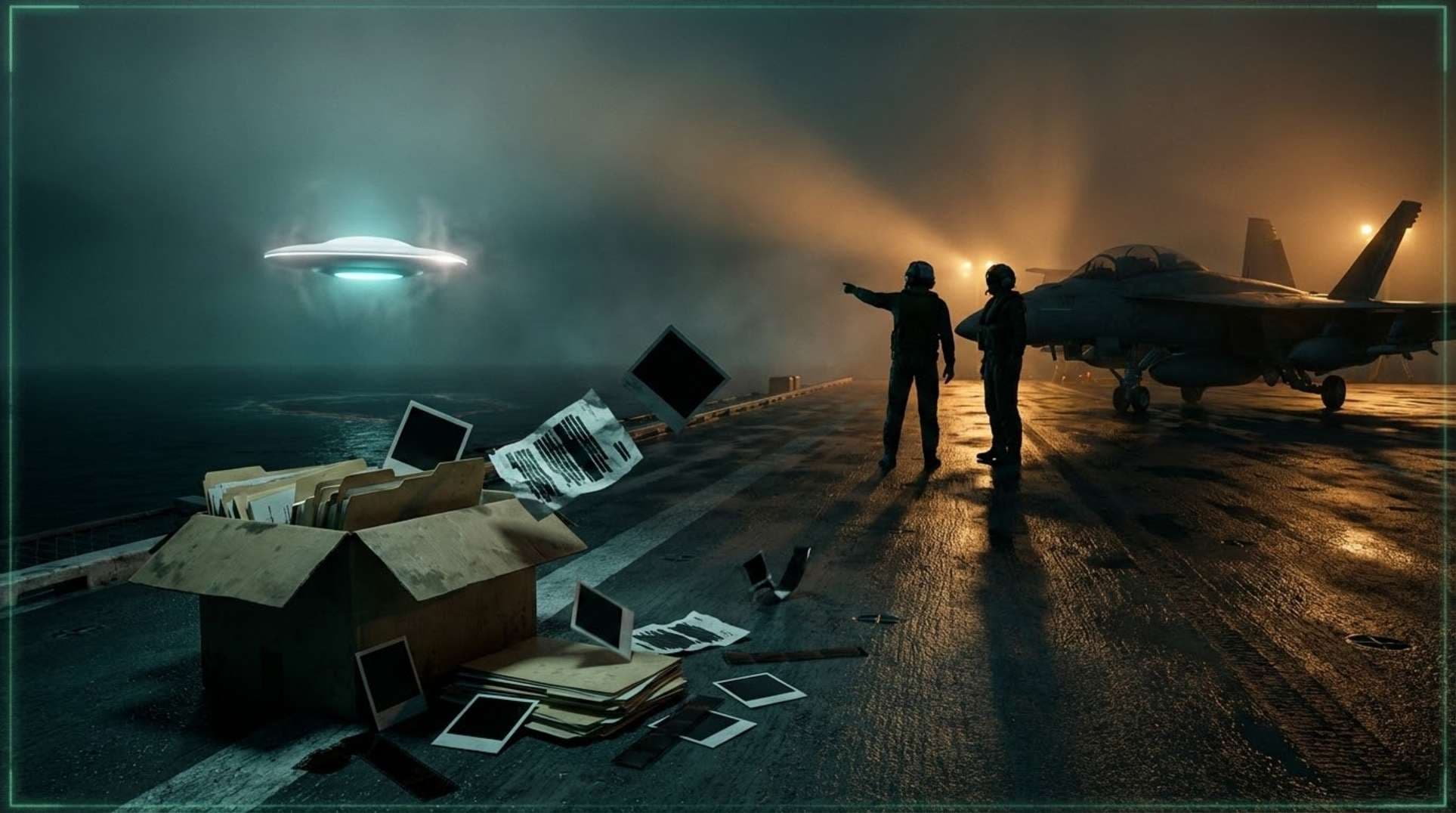
The ocean stretched dark and endless under a clear sky off the California coast. It was November 14, 2004, aboard the USS Nimitz, where pilots and deck crews went about their routines. Then radar pinged something odd—a white, tic-tac-shaped object slicing through the air without wings or exhaust, captured on infrared cameras. Aviators like Cmdr. David Fravor locked eyes on it, watching it hover, accelerate, and vanish. Confusion rippled through the team, a mix of professional concern and raw curiosity. No clear answers emerged that night, but the logs, letters, and testimonies survived. Efforts like the Archives of the Impossible at Rice University pull these fragments from oblivion, keeping the human side of these encounters alive for those of us piecing together the bigger picture.
What Witnesses and Analysts Report
Seasoned naval aviators have shared accounts that stick with you. Cmdr. David Fravor, Alex Dietrich, Chad Underwood, and Ryan Graves describe objects accelerating from standstill to hypersonic speeds, hovering effortlessly, and shifting between air and water. These aren’t just stories— they’re backed by radar locks and infrared footage. Civilian reports echo similar patterns through databases like NUFORC and MUFON, with thousands of entries each year detailing orbs, triangular shapes, and rapid lights that defy easy labels. Analysts weigh in respectfully, parsing the data for consistencies while acknowledging where interpretations split. Congressional hearings and media spotlights have given these voices weight, treating them as serious inputs rather than fringe tales.
Timelines, Tracks, and Hard Data
Hard evidence builds the foundation here. The Archives of the Impossible kicked off in 2014, growing to about 15 collections by 2024 and claiming 18 with over a million documents by 2025. The Nimitz incident hit on November 14, 2004, with its FLIR and IR videos gaining traction from 2017. Official timelines stack up: ODNI’s preliminary UAP assessment dropped June 25, 2021. AARO got established July 15, 2022, as the DoD’s coordination hub. NASA’s independent study wrapped with a report on September 14, 2023, pushing for better data practices. Reporting numbers tell their own story—AARO logged 757 UAP reports from May 1, 2023, to June 1, 2024, with 485 incidents in that window. ODNI’s database hit 510 reports by August 30, 2022, expanding on the 144 from 2021.
What exactly happened during the USS Nimitz encounter? How have official agencies responded to UAP reports? Why are archives like AOTI important? What evidence supports witness claims? Are there any unresolved anomalies?