
Key Takeaways
- A single day—November 28, 2025—saw an unprecedented cluster of natural disasters and sky anomalies, framed as a “simulation glitch,” highlighting vulnerabilities in our power grids and infrastructure.
- These cascading events underscore the fragility of centralized systems, from weather extremes to geological shifts, urging a shift toward personal resilience in grid-down scenarios.
- Actionable steps include building backup power, securing off-grid communications, and hardening data practices to maintain situational awareness amid disruptions.
The Day the Code Cracked
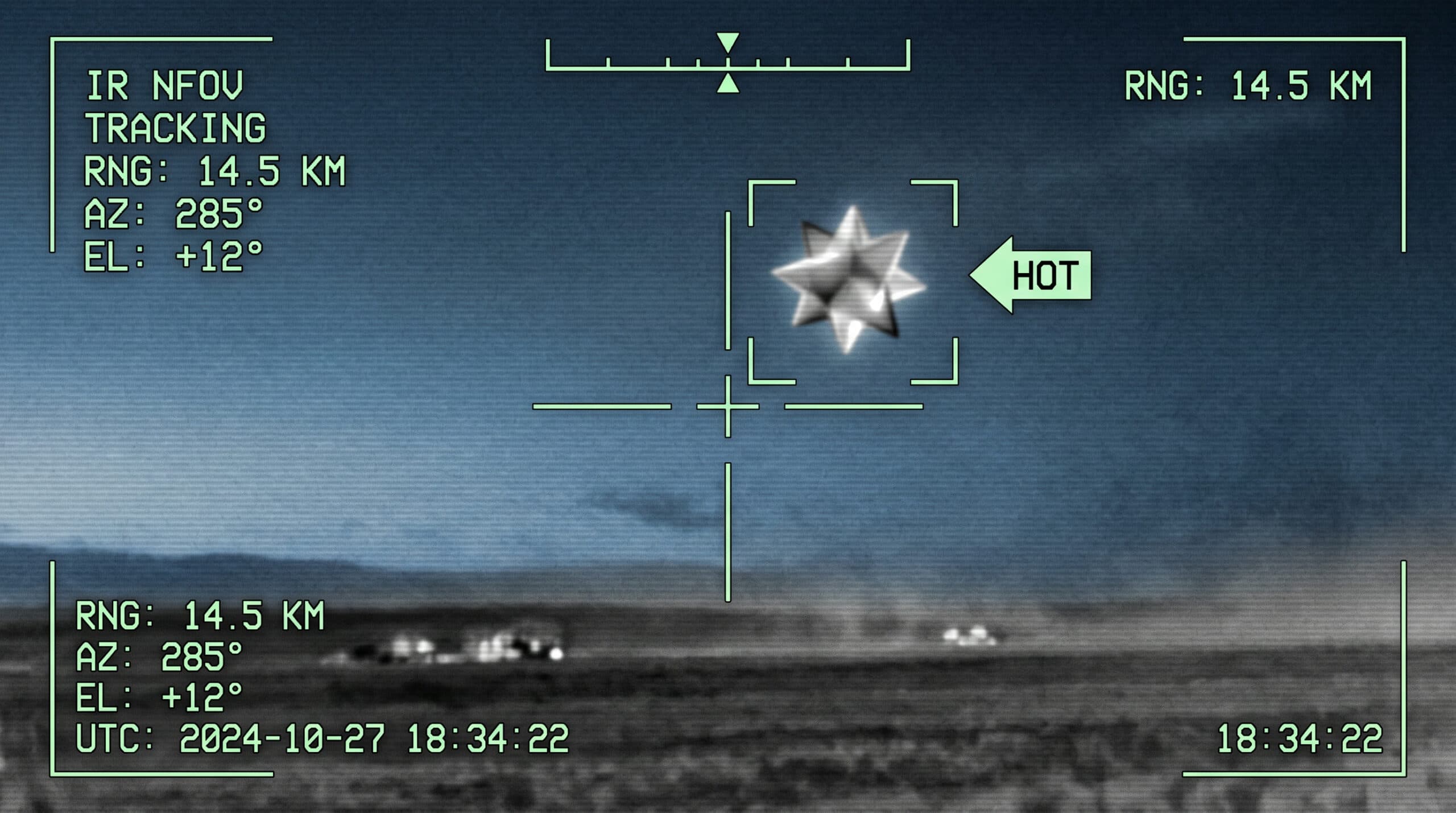
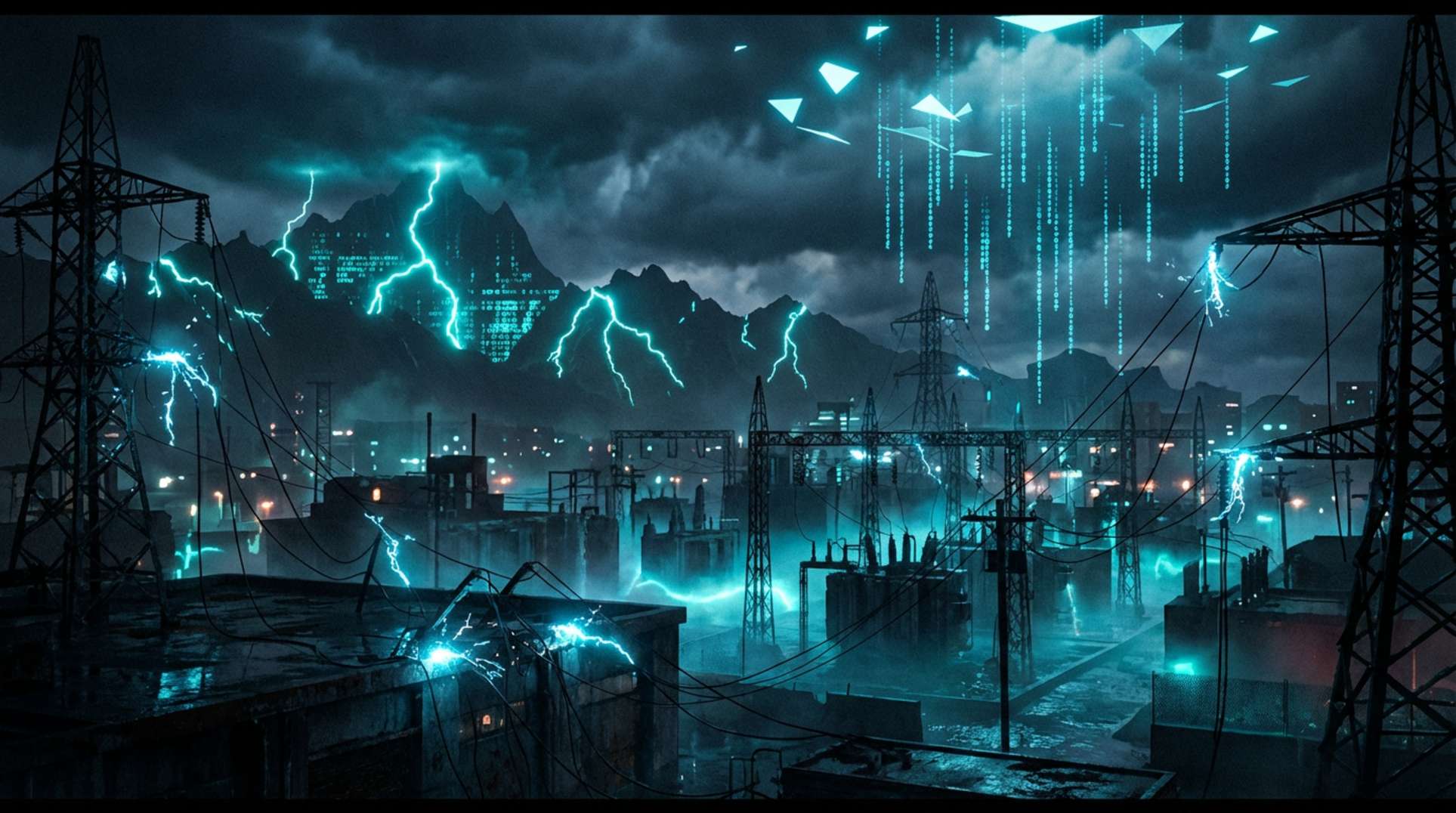
Picture this: you’re staring at the feeds, the ones that bypass the official channels, and there it is—a perfect storm of anomalies all hitting on the same date, November 28, 2025. Earthquakes rattling foundations in unexpected places, volcanic plumes choking the skies, freak storms tearing through grids, and those unexplained lights dancing overhead like faulty pixels in the render. It’s the kind of pattern that makes you sit up in the dim glow of your screen, connecting dots that the mainstream dismisses as coincidence.
This isn’t some abstract theory pulled from late-night forums. It’s grounded in reports compiled by outlets like Strange Sounds, where the author frames it as the simulation glitching—beautifully, they say, but with an edge that cuts deep into our reality. We’re talking real-time breakdowns: power outages cascading from flooded substations, supply chains snapping under geological strain, and communication blackouts where the sky itself seems to interfere. If this is a simulation, it’s one that’s starting to show its seams, and those seams run right through the systems we rely on every day.
Patterns in the Chaos: Why It Matters for the Grid
Let’s break it down without the fluff. When multiple stressors hit at once—say, a solar flare messing with satellites while earthquakes disrupt underground cables—it’s not just bad luck. It’s a cascade that exposes how thin the veil is between stability and blackout. Power grids, those vast networks of wires and transformers, aren’t built for this level of overlap. One glitch leads to another: a storm knocks out primary lines, backup generators fail under ash from a distant eruption, and suddenly you’re in the dark, cut off from water pumps, fuel stations, and the digital threads that hold society together.
Advertisement
I’ve tracked these patterns for years, from black-budget whispers to eyewitness accounts of aerial oddities. This cluster fits the mold of simulation theory, where our perceived world is a complex program hitting its limits. But forget the philosophy; the real hook is the risk. Infrastructure in critical sectors—transport, energy, comms—crumbles fast when anomalies stack up. And if you’re following these on social feeds or anomaly-tracking apps, remember: those platforms can glitch too, leaving you blind unless you’ve prepped your own setup.
What specific events happened on November 28, 2025, that suggest a simulation glitch? How does this tie into power grid vulnerabilities? What’s the first step for personal preparedness? Why focus on data security in anomaly tracking?