
Key Takeaways
- Large atmospheric explosions are documented: The 2013 Chelyabinsk event released about 400–500 kilotons of TNT, captured on dash-cam videos and causing injuries from shattered windows.
- Rarer, massive events show escalation potential: The 1908 Tunguska airburst, estimated at 3–50 megatons, leveled over 2,150 km² of forest, hinting at regional catastrophe without a crater.
- Monitoring helps but leaves gaps: NASA and ESA track near-Earth objects using scales like Torino and Palermo, while IPCC models highlight climate risks without predicting immediate extinction—yet tail-end uncertainties persist on attribution and high-impact scenarios.
The Day the Sky Went Loud
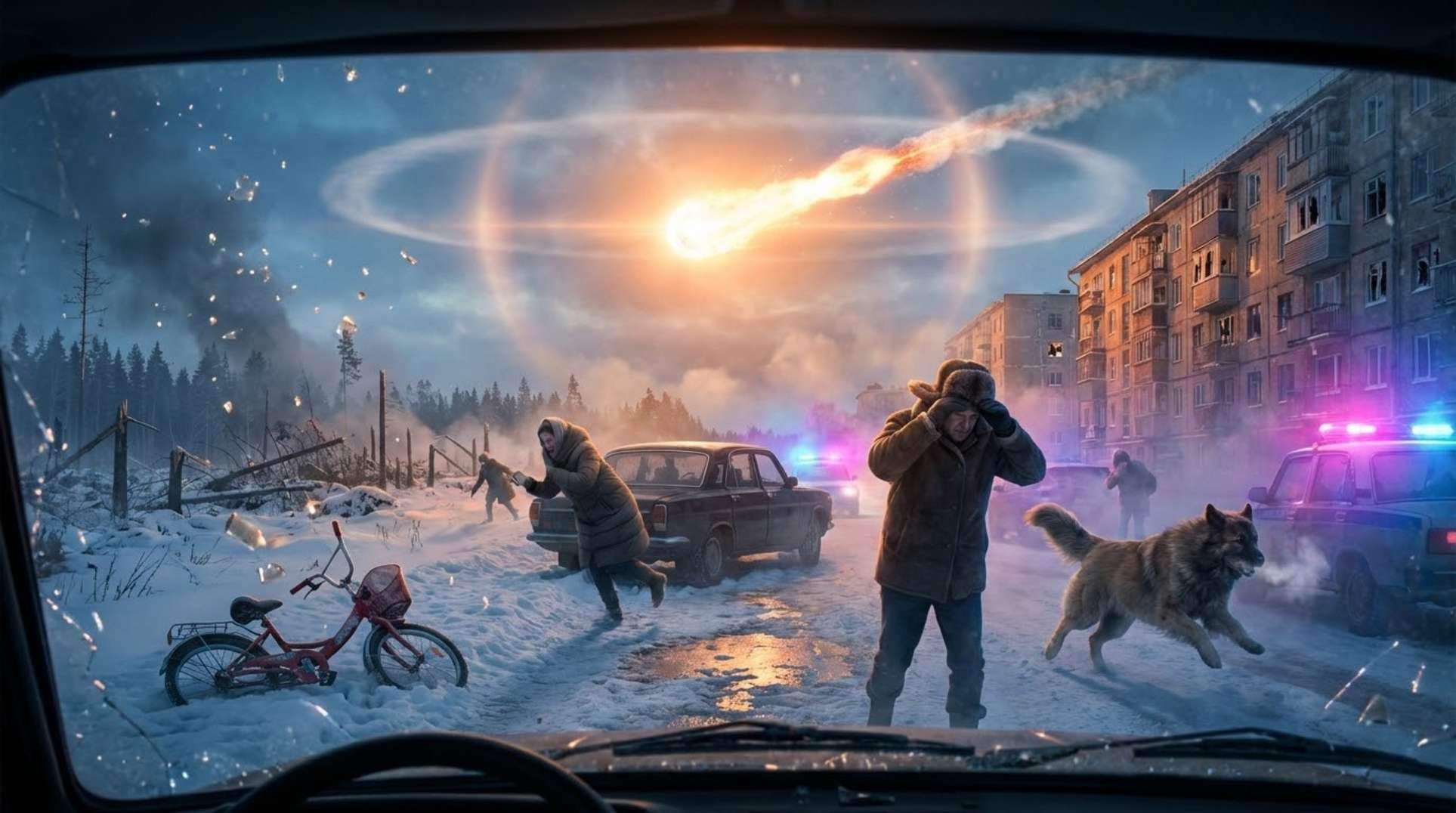
Imagine driving through a quiet Russian morning when the sky ignites. A streak of fire slices the horizon, brighter than the sun. Then comes the boom—windows shatter, glass rains down, people dive for cover. That was Chelyabinsk on February 15, 2013. Dash-cam footage flooded the internet, showing the flash, the delayed shock wave, and the chaos that followed. Injuries from flying debris hit hundreds, a stark reminder of what falls from above.
Flash back to 1908 in remote Siberia. Eyewitnesses described a fireball howling across the sky, followed by detonations that shook the earth. Trees snapped like matchsticks over thousands of square kilometers. No crater, just flattened forest and stories passed down—bright lights, thunderous noise, then eerie silence. These accounts, pulled from transcripts and footage, highlight the sensory overload: the panic, the awe, the questions about what really hit.
What Witnesses and Analysts Report
Those on the ground in Chelyabinsk spoke of a blinding light, sonic booms that rattled buildings, and animals fleeing in terror. Similar patterns emerge from Tunguska: fireball sightings, explosive sounds, and widespread damage, gathered from historical records and studies. These aren’t isolated tales; they’re consistent across events, fueling discussions in forums and documentaries.
Independent researchers point to exotic angles—possible extraterrestrial origins or unexplained fragments for Tunguska. Mainstream analysts stick to asteroid airbursts, but community voices highlight discrepancies in official narratives, drawing on archival materials and witness testimonies. On the climate front, activists push ‘endgame’ warnings of societal collapse, citing tipping points, while IPCC reports focus on severe but not inevitably extinction-level impacts. Both sides have their evidence, shaped by urgency and incentives.
Timelines, Tracks, and Hard Data
Dates and numbers anchor these stories. Chelyabinsk struck on February 15, 2013, with an energy release of 400–500 kilotons from a 17–20 meter object. Tunguska hit June 30, 1908, packing 3–50 megatons and flattening 2,150 km². Catalogs from CNEOS and ESA list tens of thousands of near-Earth objects, thousands potentially hazardous. NASA’s Sentry scans 100 years ahead for impacts, using Torino and Palermo scales to rate risks without hype.
Global catastrophe thresholds start at 1 km objects for widespread damage, scaling to 10 km for mass extinctions, like Chicxulub. IPCC’s AR6 outlines severe climate scenarios with cascading effects, but not near-term human wipeout.
| Date | Event | Estimated Energy | Area/Damage | Source |
|---|---|---|---|---|
| 2013-02-15 | Chelyabinsk | ~400–500 kilotons TNT | Window breaks, injuries | JPL/National Geographic/Popova et al. |
| 1908-06-30 | Tunguska | ∼3–50 megatons TNT | ~2,150 km² flattened | Historical summaries/peer literature |
Official Story vs. What the Data Suggests
NASA’s PDCO and CNEOS monitor actively, funding detection and deflection like the DART mission. They use Sentry and hazard scales to communicate low-probability threats, focusing on >1 km objects while improving small-impactor tech. ESA collaborates, maintaining risk lists for transparency.
IPCC models severe climate risks—tipping points, ecosystem collapses—but stop short of near-term extinction. ‘Climate endgame’ papers from PNAS and CSER highlight underexplored tails. Chelyabinsk exposed gaps for 10–100 m objects: they slip through detection, causing local havoc. Agencies temper messaging to avoid panic, but communities see this as downplaying real uncertainties in tails and societal collapse paths.
Where Data Ends and Mystery Begins
Quantifying those low-probability, high-impact tails remains tricky—for asteroids and climate cascades alike. How do tipping points lead to global collapse versus regional fallout? IPCC and others note this as underexplored.
Tunguska’s thin records fuel debates: tree-fall patterns and fragments spark competing theories. Preparedness for airbursts? Chelyabinsk showed lead times and responses fall short. These aren’t dead ends; they’re frontiers calling for deeper dives, respecting witness accounts and pushing science forward.
What It All Might Mean
Evidence points to real risks: Chelyabinsk-style blasts injuring thousands locally, Tunguska-level events devastating regions, and rare kilometer-scale impacts threatening civilization. Climate cascades add layers of severe, interconnected threats.
Push for better detection surveys, deflection tech, early warnings, and resilience studies. Humility fits here—models offer probabilities, not scripted dooms. Uncertainty on tails and history warrants vigilant, cross-field attention, not quick dismissals.
Frequently Asked Questions
Chelyabinsk in 2013 was a meteor airburst that released 400–500 kilotons of energy, causing window damage and injuries captured on videos. Tunguska in 1908 flattened 2,150 km² of forest with 3–50 megatons, based on eyewitness reports and tree patterns.
NASA and ESA track near-Earth objects using systems like Sentry, with hazard scales like Torino and Palermo to assess risks. They focus on detection and deflection, but gaps remain for smaller objects like Chelyabinsk.
IPCC reports detail severe cascading impacts from climate change, including tipping points, but not near-term human extinction. ‘Endgame’ research highlights underexplored tail risks leading to potential societal collapse.
Yes, including quantifying low-probability high-impact events, attributing historical incidents like Tunguska, and mapping climate effects to global collapse. Preparedness for airbursts also shows gaps exposed by Chelyabinsk.