
In recent years, China has increasingly wielded water as a geopolitical weapon, impacting the lives of millions across Southeast Asia. The Mekong River, a vital water source for countries like Vietnam, Cambodia, Laos, Thailand, and India, has become a focal point of this struggle, with China’s dam-building activities threatening the livelihoods of those who depend on it.
Key Takeaways
- China has turned water into a geopolitical weapon, impacting Southeast Asian countries.
- The Mekong River is crucial for the livelihoods of over 60 million people.
- China’s dam construction has led to severe ecological and economic consequences for downstream nations.
- Countries like Laos and Cambodia are caught in a cycle of dependency on Chinese investments, exacerbating their vulnerabilities.
The Importance of the Mekong River
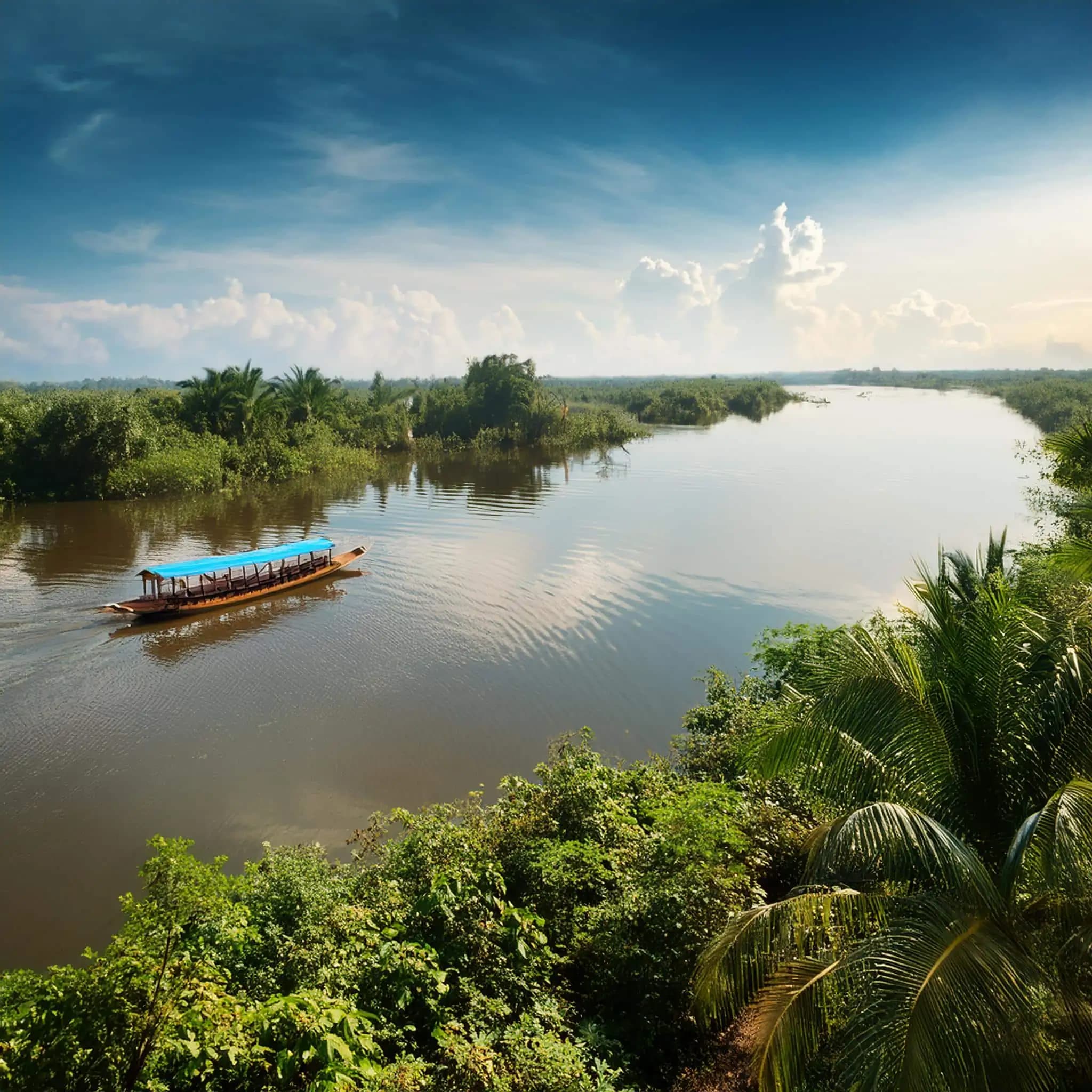
The Mekong River, stretching nearly 5,000 kilometers, is the lifeblood for over 60 million people in Southeast Asia. It contributes significantly to the economies of the countries it flows through, particularly Vietnam, where it supports nearly 20% of the annual GDP and is crucial for rice production and aquaculture. The river’s seasonal floods play a vital role in replenishing the Tonle Sap Lake, which is the world’s largest inland fishery.
- Economic Contributions:
- Vietnam: 20% of GDP, half of rice production, and significant aquaculture.
- Cambodia: 70% of protein intake comes from fish, with fisheries contributing 7% of GDP.
- Laos: Over 70% of rural households depend on fishing and agriculture.
China’s Dam Building Strategy
China’s control over the Mekong River has been solidified through an aggressive dam-building strategy. Since the 1990s, China has constructed 11 major dams on the Mekong, significantly altering the river’s flow and impacting downstream countries. The construction of these dams has transformed the once free-flowing river into a series of reservoirs, leading to a drastic reduction in water flow.
Advertisement
- Dams and Their Impact:
- From 2019 to 2021, the Mekong experienced its lowest water flow in 60 years.
- Droughts and altered water flow have led to fish die-offs and reduced agricultural yields in countries like Vietnam and Cambodia.