The Unexplained Company Logo
UAP Whistleblowers: Danny Sheehan’s Deathbed Puzzle

UAP Whistleblowers: Danny Sheehan’s Deathbed Puzzle

Art Grindstone

December 2, 2025

Key Takeaways

  • Danny Sheehan, a veteran constitutional attorney and public-interest litigator, has shared details on UAP, whistleblowers, and an alleged deathbed confession across interviews like Debriefed Ep. 29 and other podcasts.
  • The ODNI Preliminary Assessment from June 25, 2021, reviewed 144 UAP reports from 2004 to March 2021, identifying just one case with high confidence—a large deflating balloon.
  • DoD and AARO reports show rising numbers: the FY24 consolidated report logged 757 UAP reports from May 1, 2023, to June 1, 2024, with 485 during that period and 272 from earlier.
  • NASA‘s Independent Study Team released a September 2023 report emphasizing better measurement methods over speculating on origins.
  • Core mysteries persist: the identity and documentation for insiders in Sheehan’s deathbed confession remain unverified publicly, and chain-of-custody for alleged materials like videos or artifacts is absent from the record.

A Quiet, Tense Room: Setting the Scene

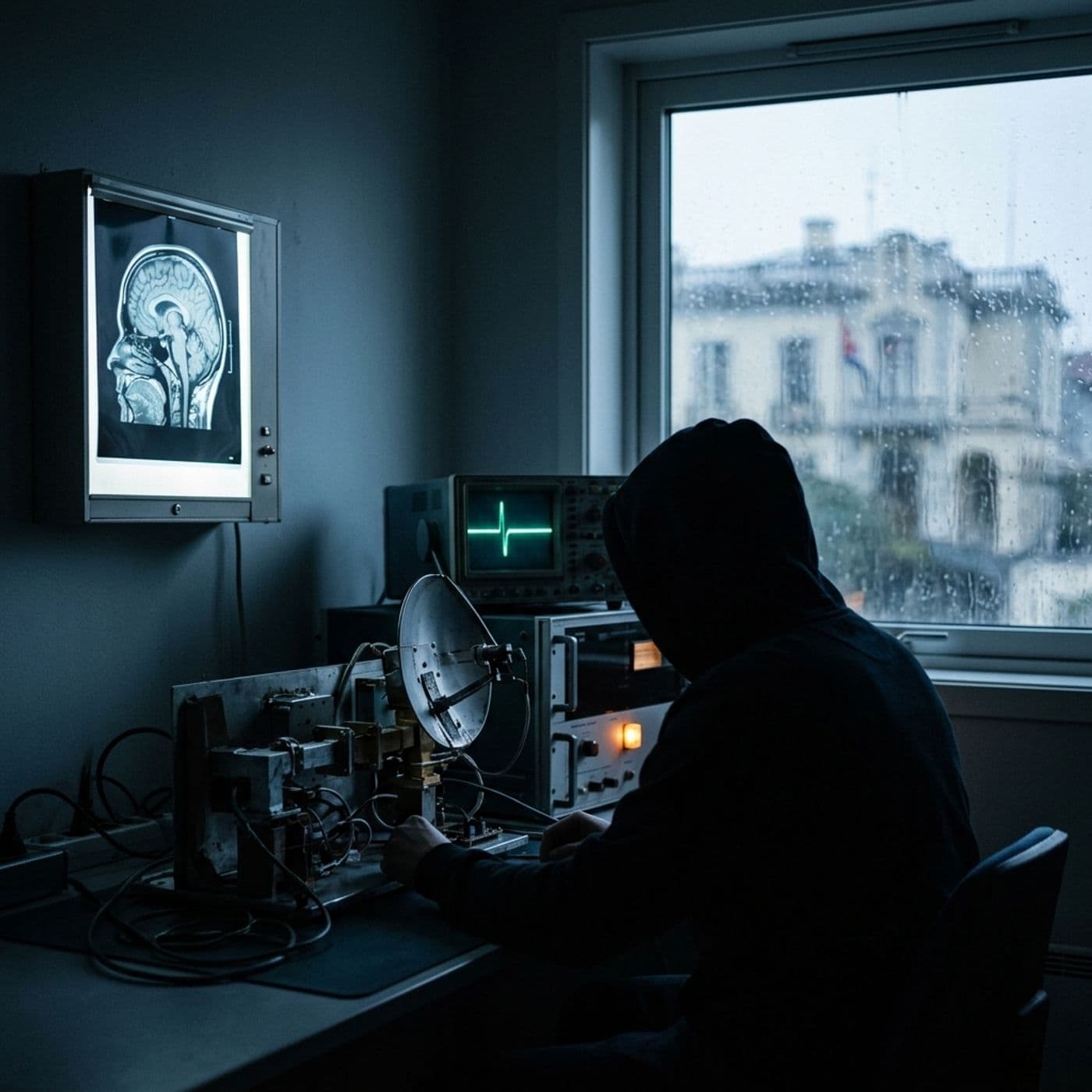
Picture this: a dimly lit room, the kind where shadows stretch long under a single lamp. Danny Sheehan, with his decades in courtrooms fighting for transparency, leans into a microphone. He’s no stranger to high-stakes battles—think constitutional cases that shook foundations. Now, in podcasts like Debriefed Ep. 29, he recounts late-night calls from whistleblowers, voices hushed with urgency. These aren’t grand stages; they’re intimate spaces, blending legal precision with tales from the intelligence shadows. The air thickens as he describes a deathbed confession, passed through trusted channels, mixing hard facts with the weight of what might be hidden.

What Witnesses and Analysts Report

Across the disclosure networks, claims build like pieces of a fractured puzzle. Sheehan draws from his work with whistleblowers and courtroom defenses, relaying second-hand accounts of deathbed confessions—stories of insiders revealing crash retrievals or secret facilities, shared in public interviews but not directly from the source.

First-person testimony stands out in the public record. Military pilots and radar operators have gone on the record, their accounts driving official inquiries. Think of the Congressional hearings where named witnesses described encounters backed by flight data. These are verifiable: transcripts exist, pilots like those in the 2022 House hearing spoke under oath.

Then there’s the second-hand layer—community lore about unnamed insiders, alleged S-4 sites, and promises of evidence like photos or videos yet to surface publicly. These circulate among veterans and researchers, but without primary sources, they stay anecdotal. Patterns emerge: consistent reports of anomalous craft defying physics, often from credible military backgrounds. We respect these voices; they’ve earned scrutiny, not dismissal.

Timelines, Tracks, and Hard Data

Let’s map the verifiable trail. Official documents offer checkpoints—dates, numbers, and gaps we can probe. The ODNI’s 2021 report set a baseline, analyzing 144 cases. AARO’s updates show the volume swelling, with hundreds more reports logged recently. NASA’s input shifts focus to science, pushing for better tools.

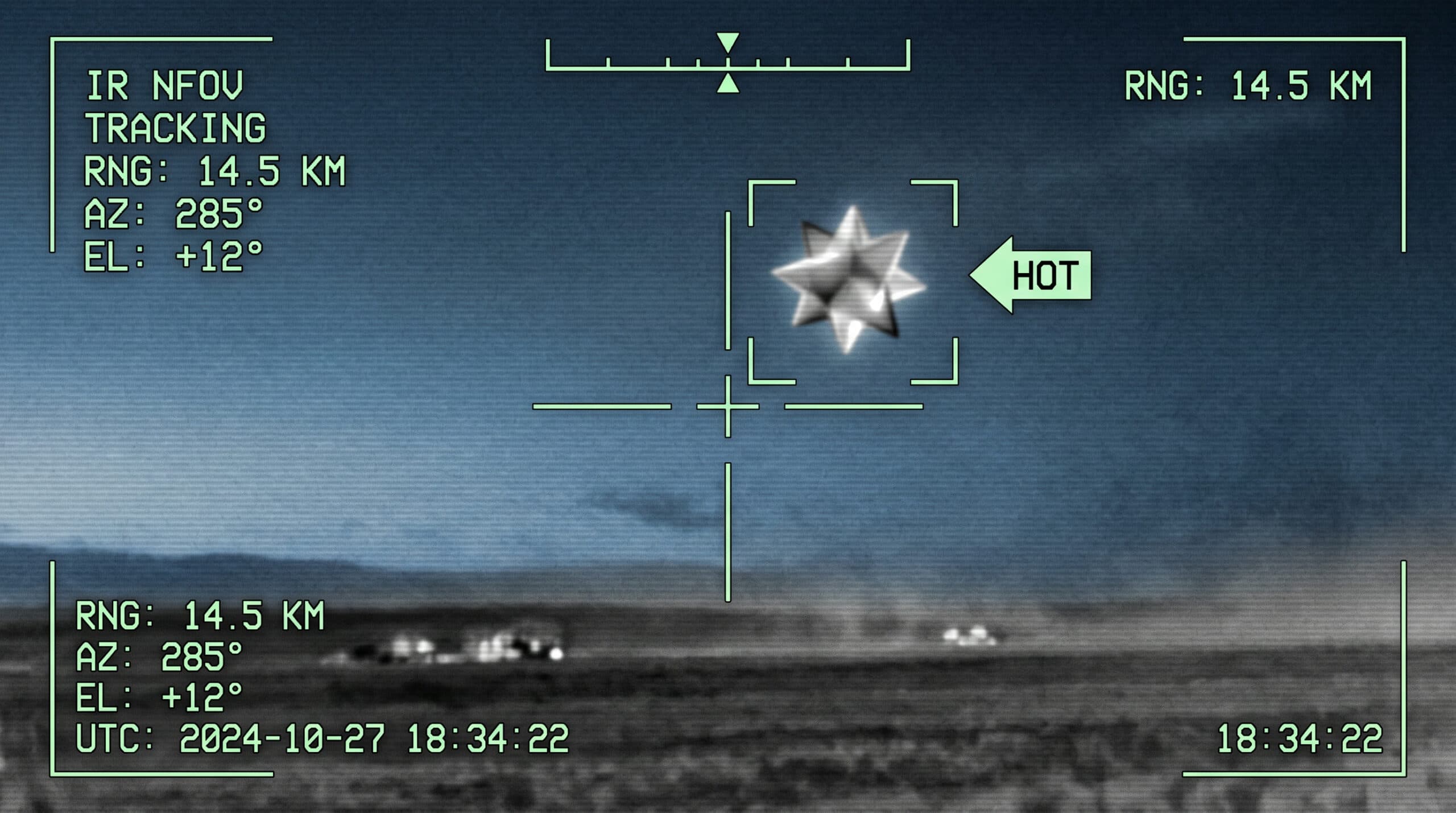
Public records don’t specify exact counts of multi-sensor cases—those with radar, infrared, and signals intelligence combined. AARO notes many lack the data quality needed for resolution, leaving us to question how many truly hold up under scrutiny.

Report/AgencyDateDataset SizeKey FindingSource
ODNI Preliminary AssessmentJune 25, 2021144 UAP observations (2004–Mar 2021)One case identified with high confidence (deflating balloon); most lack sufficient dataODNI Report Link
AARO/DoD FY24 Consolidated ReportFY24757 reports (May 1, 2023–June 1, 2024; 485 during period, 272 prior)Growing volume; many unresolved due to data limitsAARO FY24 PDF
NASA UAP Independent Study TeamSeptember 2023Methodological focus, no specific dataset sizeRecommendations for improved data collection and instrumentationNASA UAPIST Report
Congressional HearingMay 17, 2022N/A (testimony-driven)Spurred AARO formation and reporting requirementsHouse Hearing Transcript

Official Story vs. What the Data Suggests

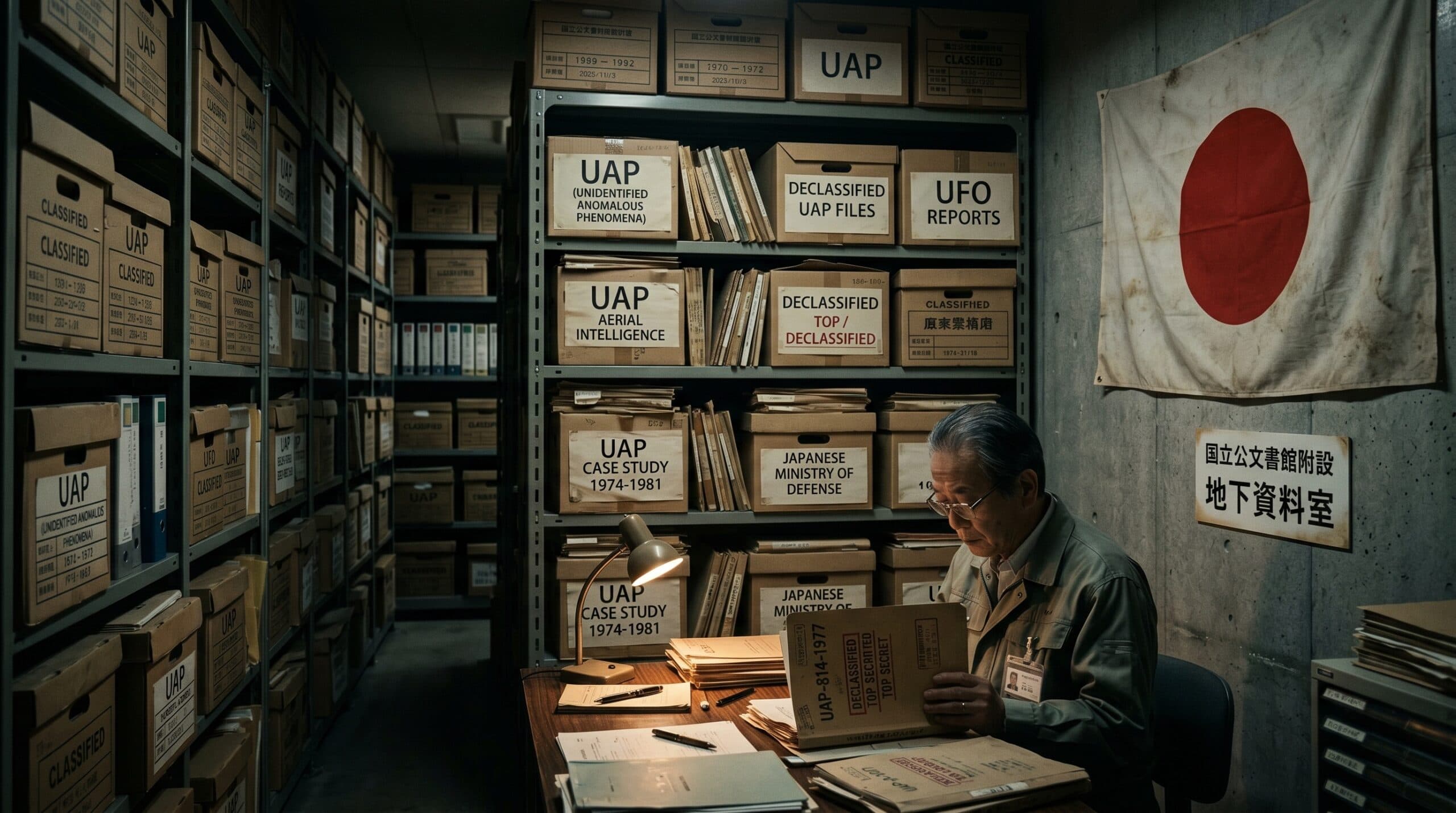
Agencies like ODNI frame UAP as safety and security issues, citing data shortages that prevent firm conclusions. They identified one balloon in 144 cases, but most remain open due to incomplete info. AARO echoes this, standardizing reports while guarding classified methods—no public evidence of captured tech, just unresolved entries.

NASA stays measured, advocating for better sensors and open data without jumping to origins. Congress, through hearings, pushes for more, leading to AARO’s birth.

Sheehan and the community see it differently. His legal background in classified cases leads him to suspect withheld evidence—crash sites, footage, programs buried deep. These views highlight potential suppression, but verifiable facts stop at institutional walls. Oversight exists: congressional reviews, inspector general probes, FOIA requests. Yet national security exemptions block much, leaving speculation about black-budget ops. The tension is real—data suggests anomalies, but classification could hide the rest.

What It All Might Mean

Pulling threads together, the solid ground includes ODNI’s 144 incidents, AARO’s 757 recent reports, and NASA’s call for rigorous science. These point to something persistent in our skies, demanding attention.

Questions linger: Who is the insider behind Sheehan’s deathbed tale, and where’s the primary documentation? Can alleged materials get chain-of-custody verification? What fraction of cases boast multi-sensor proof?

This matters—for flight safety, security, science, and trust. Legal paths like hearings or FOIA could unlock more. Mystery remains, a shadow worth chasing.

Frequently Asked Questions

Sheehan discusses whistleblower accounts and a deathbed confession involving alleged crash retrievals and secret facilities, shared in interviews like Debriefed Ep. 29. These are second-hand narratives without public verification.

ODNI’s 2021 assessment reviewed 144 reports, identifying one balloon. AARO’s FY24 report catalogs 757 cases, many with insufficient data. NASA’s 2023 study recommends better measurement tools.

Agencies cite data gaps and classification for caution. Sheehan argues legal and oversight hurdles hide evidence, with tools like FOIA and hearings offering potential paths forward.

Public records don’t provide exact counts, but AARO notes many cases lack high-quality data for analysis. Some pilot testimonies include radar and visual corroboration.

Target FOIA requests at AARO documents, seek affidavits via congressional oversight, and advocate for forensic reviews of alleged materials.