Solar Flares vs Airbus Jets: The Vulnerability Gap | Unexplained
Ancient Civilizations
Solar Flares vs Airbus Jets: The Vulnerability Gap
Key Takeaways A powerful recent X-class flare (around X1.9 in intensity) erupted as new active regions rotated into view, in the context of Solar Cycle 25 already outperforming early forecasts in terms of activity. On…
Art Grindstone is the hard-nosed storyteller behind Unexplained.co, a veteran investigator whose life’s work sits at the crossroads of the paranormal, fringe science, and the shadows most people try not to look into. With decades spent chasing impossible stories — black-budget psychic programs, vanished Cold War experiments, desert rituals that sparked UFO waves, and the strange phenomena buried in America’s forgotten backroads — Art brings a rare combination of skepticism, awe, and journalistic precision. He’s not here to debunk. He’s not here to blindly believe. He follows the evidence wherever it leads — even when it leads someplace deeply uncomfortable. Known for his immersive, cinematic style and his ability to turn obscure research into gripping narrative, Art has built a devoted following across podcasts, long-form features, documentaries, and serialized investigations. His interviews are direct. His analysis is unflinching. His voice has become a staple in the modern paranormal renaissance — the guy people turn to when a story is too strange, too complex, or too dangerous for anyone else to touch. Off-mic, Art works with a distributed network of researchers, archivists, and field operatives who help surface the stories mainstream media ignores. On-mic, he transforms their findings into meticulous, high-impact reporting that refuses to insult the intelligence of true believers. His philosophy is simple: Take the phenomenon seriously. Treat the audience with respect. Tell the story as if the world depends on it — because sometimes it does. When Art Grindstone digs into a case, he isn’t just chasing a mystery. He’s tracing the fault lines of reality itself.
6 min · 1,337 words
In This Report(7)
Key Takeaways
A powerful recent X-class flare (around X1.9 in intensity) erupted as new active regions rotated into view, in the context of Solar Cycle 25 already outperforming early forecasts in terms of activity.
On December 31, 2023, an X5.0 solar flare — the strongest since 2017 — was recorded by NASA’s Solar Dynamics Observatory, showing that high-end flares are already on the table this cycle.
In November 2025, Airbus issued a precautionary alert affecting roughly 6,000 A320-family aircraft, saying intense solar radiation could corrupt flight control data and mandating a software update that takes 2–3 hours per plane.
NASA and NOAA acknowledge that Solar Cycle 25 is stronger than initially projected, with increased chances of geomagnetic storms that can disrupt satellites, power grids, and aviation — but agencies describe these as manageable, monitored risks.
Independent analysts and communities following geophysicist Stefan Burns connect the Airbus vulnerability and recent flares to a broader pattern: modern systems becoming increasingly brittle under rising solar stress, with potentially cascading effects on infrastructure.
Unresolved questions include whether a specific flare exposed the Airbus flaw, how far this vulnerability pattern extends into other sectors (power, internet, navigation), and whether official reassurances are keeping pace with the actual systemic risk.
Under a Restless Sky: The Day the Sun Spiked and Jets Went Quiet
Imagine the Sun unleashing a burst of energy, a massive X-class flare exploding from its surface, captured in stark detail by NASA’s Solar Dynamics Observatory. This wasn’t some distant cosmic event—it was recent, around X1.9 in strength, emerging from a fresh active region as our star ramped up its fury.
Flash back to December 31, 2023: an X5.0 flare, the most potent since 2017, ripped across space, a clear signal that Solar Cycle 25 means business.
Months later, the fallout hits closer to home. Airlines worldwide pull thousands of Airbus A320-family jets for urgent software updates. The bulletin warns of intense solar radiation potentially corrupting flight control data. It’s all done quietly—no fanfare, no passenger alerts.
Advertisement
Board a flight, and everything seems fine. The plane gleams under airport lights. But behind the scenes, a patch is applied to shield against an invisible threat from above.
Is this just routine maintenance? Or the first sign that our tech-driven world is cracking under pressure from ‘s only getting started?
Did a specific solar flare cause the Airbus software issue?
How serious is Solar Cycle 25 according to officials?
What broader risks do independent analysts highlight?
Was the Airbus alert a response to actual incidents?
What evidence supports community concerns?
Advertisement
Frequently Asked Questions
Did a specific solar flare cause the Airbus software issue?
The article notes unresolved questions about whether a particular flare or geomagnetic storm exposed the flaw. Airbus framed the alert as precautionary, without admitting a direct trigger from an event like the December 31, 2023 X5.0 flare. Community discussions suggest possible links to in-flight anomalies during solar spikes, but no official confirmation exists.
How serious is Solar Cycle 25 according to officials?
NASA and NOAA state that Solar Cycle 25 is stronger than initially projected, with a higher chance of geomagnetic storms affecting technology. They describe these as manageable risks through monitoring and mitigation. Events like the 2023 X5.0 flare are seen as expected, not existential threats.
What broader risks do independent analysts highlight?
Analysts like Stefan Burns and solar watchers connect the Airbus vulnerability to systemic fragility in infrastructure, including power grids, internet, and navigation. They argue modern systems are brittle under rising solar stress, potentially leading to cascading effects. This contrasts with official views by emphasizing interconnected vulnerabilities beyond aviation.
Was the Airbus alert a response to actual incidents?
Airbus issued the November 2025 alert as a precaution for intense solar radiation corrupting flight data, affecting about 6,000 A320-family aircraft. Communities suspect real-world anomalies or clusters during solar activity forced the software update, though officials don't connect specific dots. The update takes 2–3 hours per plane and was mandated by regulators like EASA.
What evidence supports community concerns?
Discussions in aviation forums report in-flight glitches like altitude deviations coinciding with solar spikes. Historical events, such as the 1989 Quebec blackout and 1859 Carrington event, show solar storms' real impacts. Independent tracking of flares and anomalies builds a pattern of tech stress, even if speculative elements like consciousness shifts remain unproven.
The Lonely Rock That Led Archaeologists to a 3,700-Year-Old Ritual Site
A single stone spotted by a student led archaeologists to a 3,700-year-old ritual site—and raised new questions about how ancient landscapes were read.
Aug 17, 2026 • 4 min read
UFO & Aliens
Europe Has Been Quietly Tracking UAP Reports Since 2023
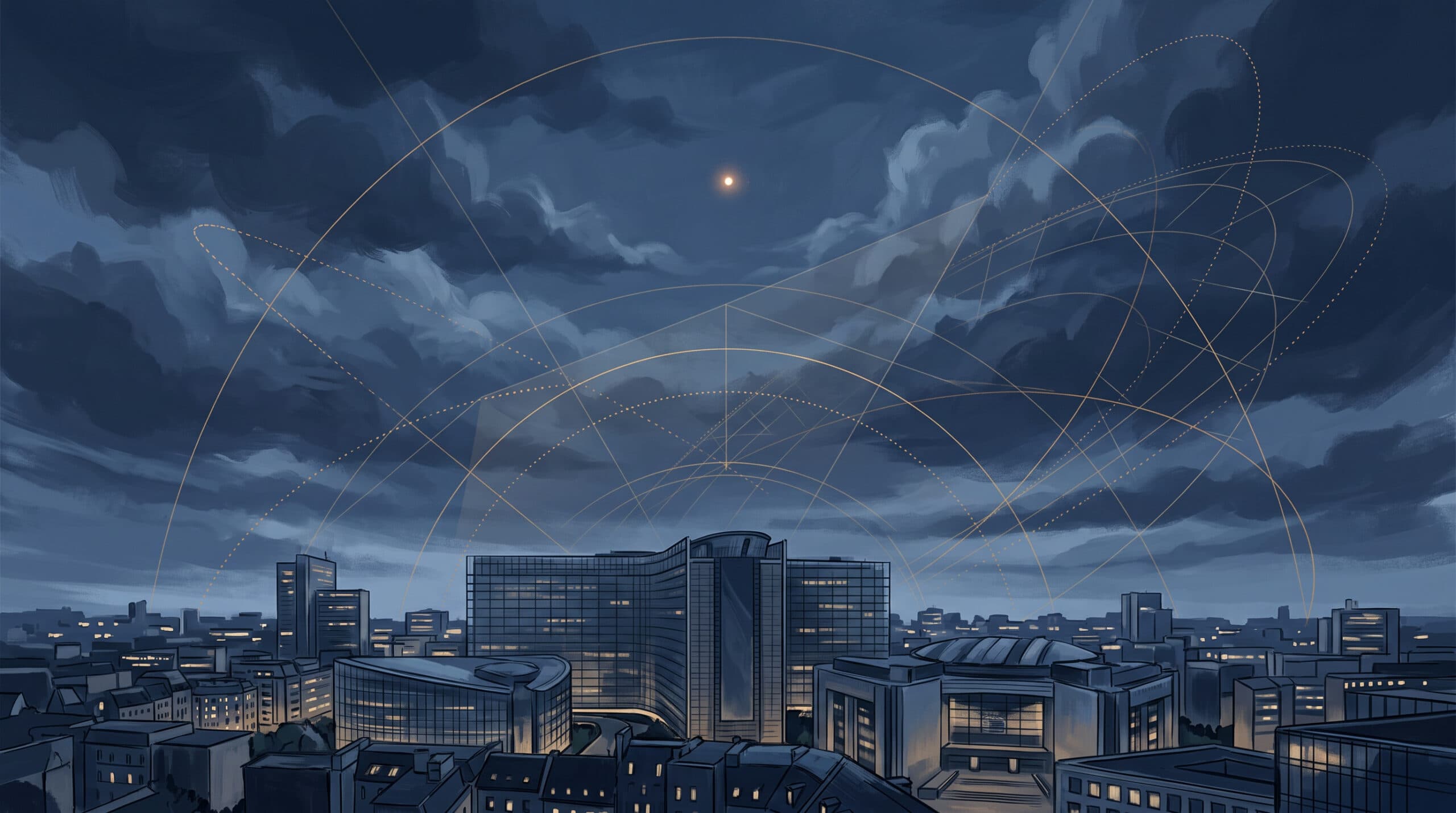
Documents reveal how the European Commission handled UAP images, what it promised to improve, and why Europe still lacks a public investigation office.
Aug 17, 2026 • 8 min read
Cryptozoology
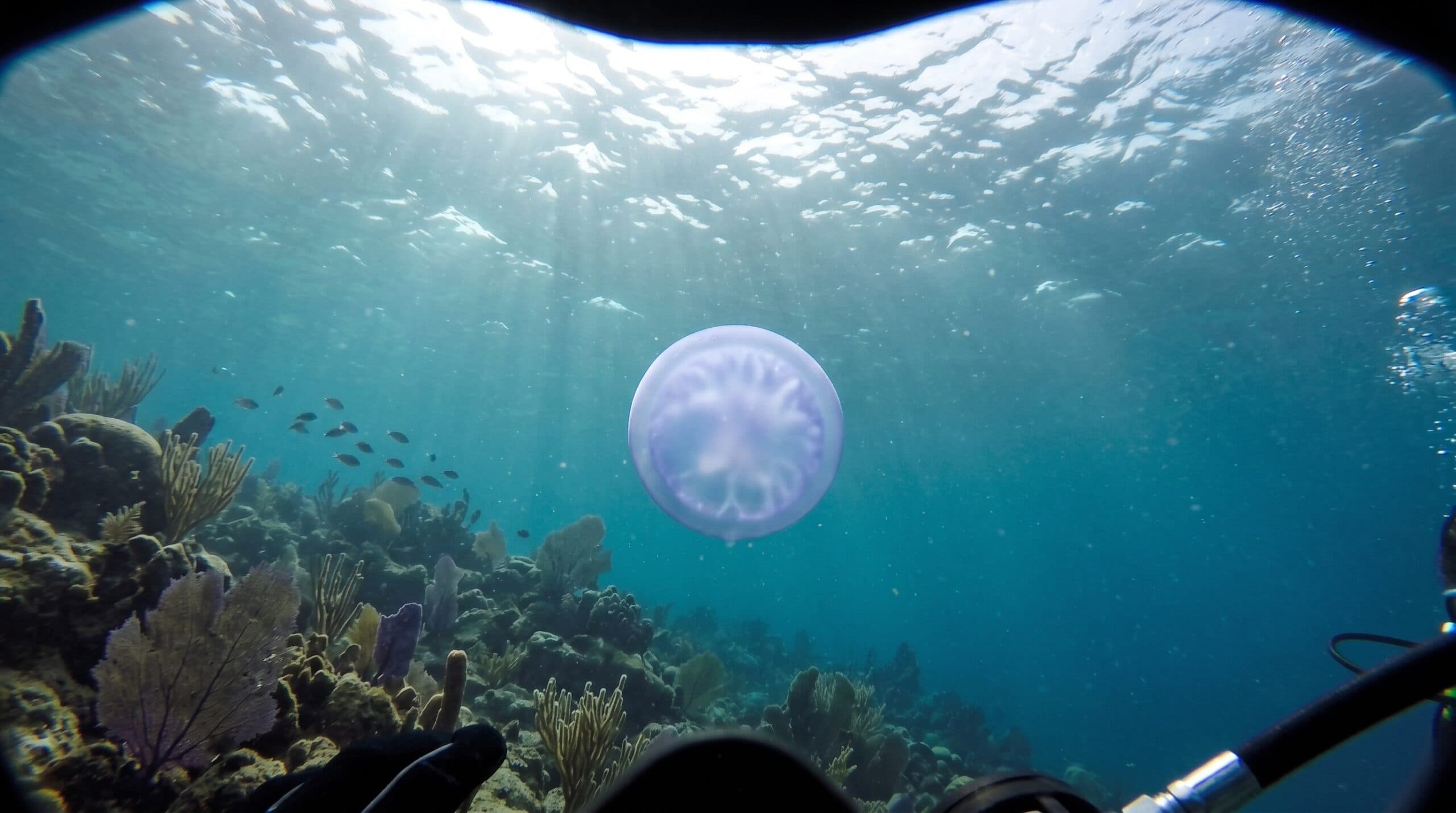
The Deep Sea Sphere: 1990s SCUBA Divers Filmed Something in the Bahamas That Still Defies Classification
A clip from the 1990s shows SCUBA divers encountering a strange, perfectly spherical creature in the Bahamas. Decades later, the footage is resurfacing — and cryptid researchers, marine biologists, and UAP watchers all have different theories about what it is.
What Pilots, Researchers, and Watchers of the Sun Are Saying
In aviation forums, pilots share stories of odd in-flight glitches on A320-family jets—sudden altitude shifts, autopilot quirks—that seem to align with spikes in solar activity.
Some point to specific cases, like a JetBlue A320 dropping altitude unexpectedly, wondering if solar radiation spikes played a role, though no official links confirm it.
Geophysicist Stefan Burns draws a crowd on YouTube, linking solar flares and geomagnetic storms to Earth changes. He covers tech disruptions, possible earthquake ties, even shifts in human consciousness. Not everyone buys the speculative side, but many value his take on solar activity’s wide-reaching effects.
Critics say he blends hard science with spiritual angles, yet supporters argue he spotlights connections mainstream sources overlook.
Solar watchers monitor flares, sunspots, and storm alerts in real time. They correlate these with auroras, power glitches, GPS issues, and personal effects like headaches or sleep troubles. Practices like ‘earthing’ gain traction during storms.
At the heart of it: the Airbus issue isn’t just a bug. It’s a symptom of systems designed for milder space weather, now tested by a fiercer solar cycle.
Timelines, Flares, and the Airbus Recall We Can Actually Document
Solar Cycle 25 kicked off in 2019. NASA and NOAA now say it’s outperforming predictions, with a peak expected between January and October 2024.
The December 31, 2023 X5.0 flare peaked at 21:55 UTC, logged by NASA’s Solar Dynamics Observatory— the strongest X-class since 2017.
NOAA’s Space Weather Prediction Center flags risks to satellites, radios, GPS, aviation, and power, but stresses these are part of the cycle.
On November 28, 2025, Airbus alerted on a vulnerability in about 6,000 A320-family aircraft. Intense solar radiation could corrupt flight data, requiring a 2–3 hour software update per plane.
Airbus called it precautionary, not tied to a disaster. EASA issued directives to enforce the fixes, showing real concern beneath the calm.
Date
Event
2019
Start of Solar Cycle 25
Dec 31, 2023
X5.0 flare
2024
Forecast peak window for Solar Cycle 25
Nov 28, 2025
Airbus A320 software alert, affecting ~6,000 aircraft
What Officials Say Is Under Control—and What the Patterns May Be Telling Us
NASA and NOAA report Solar Cycle 25 as more active than expected, raising odds of geomagnetic storms that hit tech. They stress monitoring and protocols keep things in check for satellites, grids, and flights.
The 2023 X5.0 flare? Serious, but expected. Officials frame disruptions as operational hurdles, not crises.
Advertisement
Alternative analysts see it differently: a volatile Sun clashing with our reliance on fragile electronics, satellites, and automated aircraft.
Airbus describes the A320 flaw as a design oversight in data handling under rare radiation, fixed routinely—no direct link to a specific flare admitted.
Yet communities suspect anomalies during solar events prompted the recall, even if unspoken.
Aviation might be the tip. What about grids, cables, logistics, trading, or nuclear safeguards in a big storm? Historical hits like the 1989 Quebec blackout or 1859 Carrington event back the worry.
Some of Burns’ ideas stretch beyond science, but the core—solar stress on systems—holds. Officials talk probabilities; watchers see patterns of quiet fixes signaling deeper fragility.
Living in a Solar Engine Room: What It All Might Mean
We know this much: a major X5.0 flare in late 2023, a lively Solar Cycle 25, agency warnings on tech impacts, and Airbus’ radiation-linked software fix for thousands of jets.
What’s unclear: did a particular event uncover the flaw? How many other incidents get chalked up to space weather privately? Where do failures cascade?
Observers aren’t overreacting. They’re questioning if our tech assumes a tamer space than reality delivers.
Burns’ interconnected view, speculative or not, highlights risks in our linked infrastructure.
We’ve tied our world to this star via tech. The Airbus case peels back the veil: not on solar danger, but on our own brittleness. Track the flares, recalls, advisories. Demand evidence from all sides, and face the unknowns head-on.
Frequently Asked Questions
The article notes unresolved questions about whether a particular flare or geomagnetic storm exposed the flaw. Airbus framed the alert as precautionary, without admitting a direct trigger from an event like the December 31, 2023 X5.0 flare. Community discussions suggest possible links to in-flight anomalies during solar spikes, but no official confirmation exists.
NASA and NOAA state that Solar Cycle 25 is stronger than initially projected, with a higher chance of geomagnetic storms affecting technology. They describe these as manageable risks through monitoring and mitigation. Events like the 2023 X5.0 flare are seen as expected, not existential threats.
Analysts like Stefan Burns and solar watchers connect the Airbus vulnerability to systemic fragility in infrastructure, including power grids, internet, and navigation. They argue modern systems are brittle under rising solar stress, potentially leading to cascading effects. This contrasts with official views by emphasizing interconnected vulnerabilities beyond aviation.
Airbus issued the November 2025 alert as a precaution for intense solar radiation corrupting flight data, affecting about 6,000 A320-family aircraft. Communities suspect real-world anomalies or clusters during solar activity forced the software update, though officials don’t connect specific dots. The update takes 2–3 hours per plane and was mandated by regulators like EASA.
Discussions in aviation forums report in-flight glitches like altitude deviations coinciding with solar spikes. Historical events, such as the 1989 Quebec blackout and 1859 Carrington event, show solar storms’ real impacts. Independent tracking of flares and anomalies builds a pattern of tech stress, even if speculative elements like consciousness shifts remain unproven.
05
What Officials Say Is Under Control—and What the Patterns May Be Telling Us
Art Grindstone is the hard-nosed storyteller behind Unexplained.co, a veteran investigator whose life’s work sits at the crossroads of the paranormal, fringe science, and the shadows most people try not to look into. With decades spent chasing impossible stories — black-budget psychic programs, vanished Cold War experiments, desert rituals that sparked UFO waves, and the strange phenomena buried in America’s forgotten backroads — Art brings a rare combination of skepticism, awe, and journalistic precision. He’s not here to debunk. He’s not here to blindly believe. He follows the evidence wherever it leads — even when it leads someplace deeply uncomfortable. Known for his immersive, cinematic style and his ability to turn obscure research into gripping narrative, Art has built a devoted following across podcasts, long-form features, documentaries, and serialized investigations. His interviews are direct. His analysis is unflinching. His voice has become a staple in the modern paranormal renaissance — the guy people turn to when a story is too strange, too complex, or too dangerous for anyone else to touch. Off-mic, Art works with a distributed network of researchers, archivists, and field operatives who help surface the stories mainstream media ignores. On-mic, he transforms their findings into meticulous, high-impact reporting that refuses to insult the intelligence of true believers. His philosophy is simple: Take the phenomenon seriously. Treat the audience with respect. Tell the story as if the world depends on it — because sometimes it does. When Art Grindstone digs into a case, he isn’t just chasing a mystery. He’s tracing the fault lines of reality itself.