In a surprising twist in global geopolitics, Canada is emerging as a significant challenger to Russia’s ambitions in the Arctic. While the U.S. is often viewed as Russia’s primary adversary, Canada’s strategic position and resources could reshape the power dynamics in this critical region.
Key Takeaways
- Canada’s control over the Arctic and its resources poses a threat to Russia.
- The Northwest Passage could become a vital trade route, impacting global shipping.
- Russia’s military presence in the Arctic is increasing, complicating the geopolitical landscape.
The Arctic: A Battleground for Influence
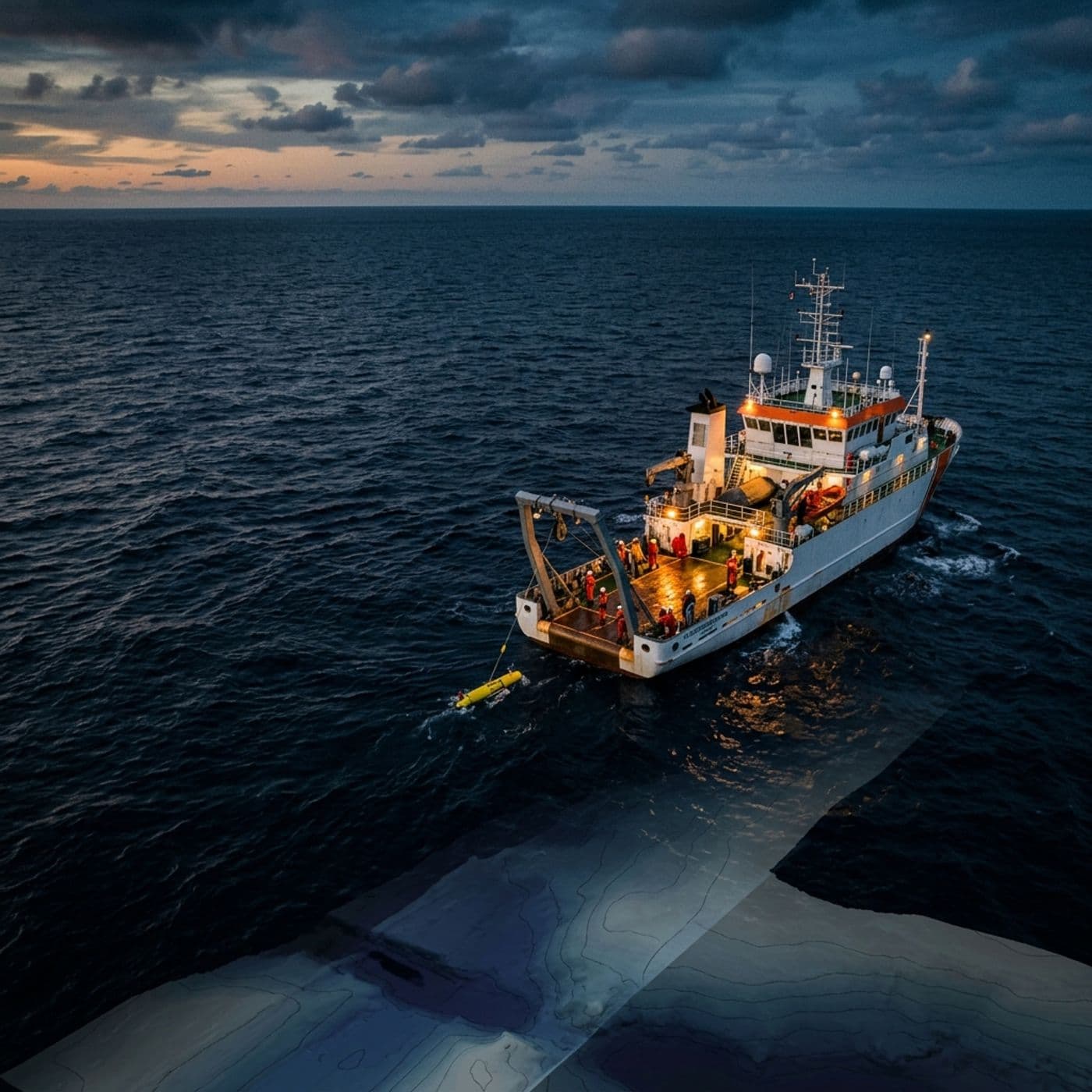
The Arctic Ocean is becoming a critical battleground for influence between Canada and Russia. In April 2021, Russia submitted a claim to the United Nations to expand its territorial waters in the Arctic, aiming to extend its reach right up to Canada’s exclusive economic zones (EEZs). This claim could potentially grant Russia control over an area of over 270,000 square miles.
Canada opposed this submission, as it overlaps with its own claims. The stakes are high, as control over these waters means access to vast natural resources, including oil and gas.
Advertisement
The Economic Stakes
The Arctic is believed to hold at least 90 billion barrels of oil and 1,669 trillion cubic feet of natural gas. The potential revenue from these resources is staggering. For instance, at a price of $82.71 per barrel, Canada could generate over $7.4 trillion from its oil reserves alone.
- Oil and Gas Ownership: Control over these resources is crucial for both nations. Russia’s energy sector accounts for 20% of its GDP, making Arctic resources vital for its economic stability.
- Fishing Industry: The Arctic is also a key food source for Russia, with about one-third of its fish harvested from these waters. Control over fishing rights could significantly impact both countries’ economies.
The Northwest Passage: A Game Changer
The Northwest Passage has long been a coveted route for global trade. Historically, it was seen as a myth, but with climate change leading to melting ice, it is becoming a viable shipping route. This passage could shorten maritime voyages by 4,350 miles, making it a game changer for international trade.
Advertisement