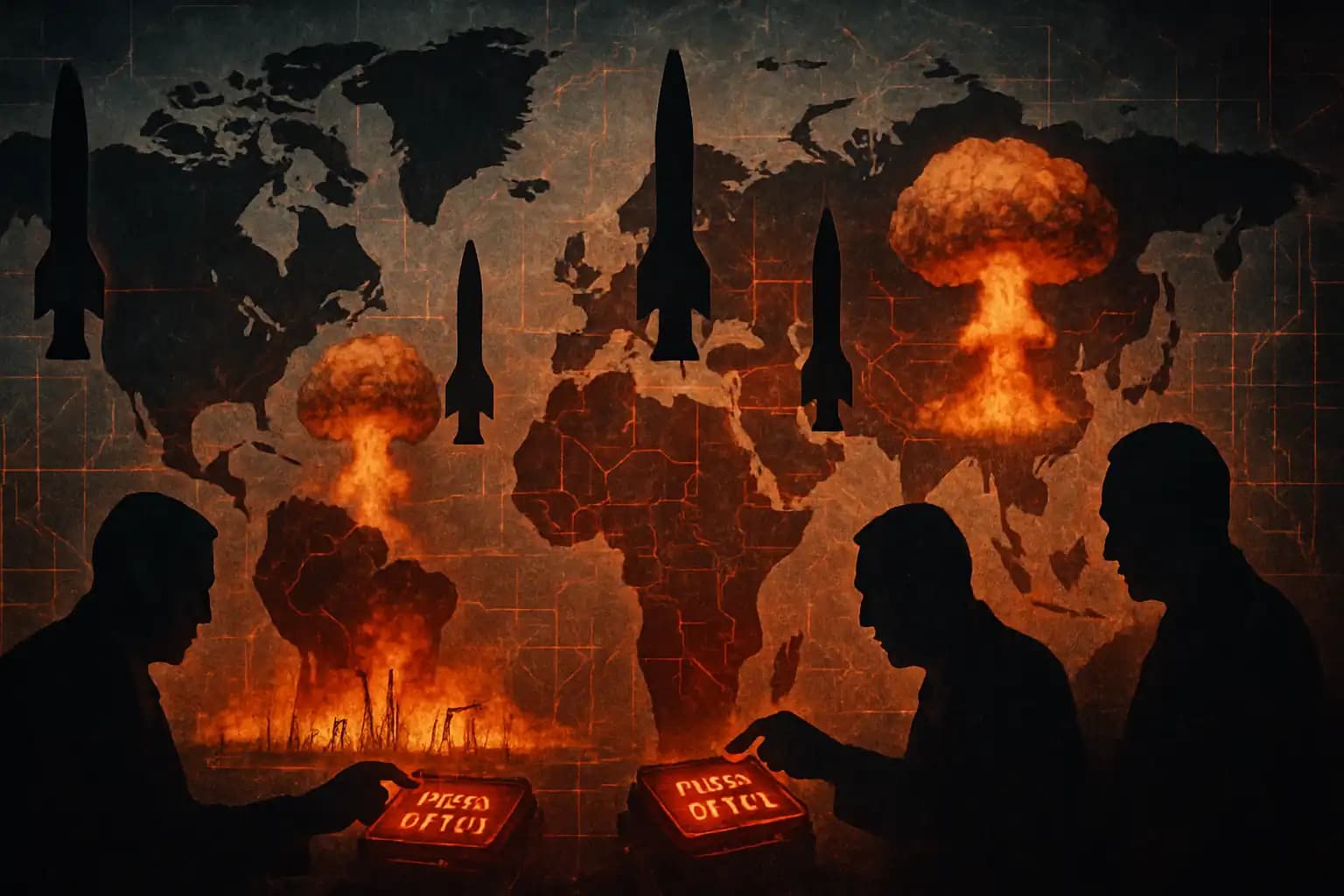

The U.S. claims to have delivered a “final offer” to Iran amidst rising tensions in the Middle East. Diplomatic tensions are escalating, and reports suggest Ukraine is considering nuclear arms. The world watches nervously, fearing that a small spark could ignite a catastrophe threatening civilization itself.
When the U.S. issues a last-chance demand, it signifies more than mere rhetoric. The high-stakes negotiations with Iran unfold against regional proxy wars and rising threats, creating a volatile atmosphere. Although real-time news coverage faces challenges, background reporting reveals a precarious world order. Military strategists analyze potential miscalculations that could lead to disaster (top report on Ukraine and nukes). Intelligence agencies scramble to predict where the next escalation might occur.
Iran Tensions and the Middle East Powder Keg
In the Middle East, diplomatic history is marked by oil deals and military standoffs. The current situation with Iran departs from past crises, navigating uncharted territory. Iran’s growing power and the U.S. commitment to allies are both on the line. This brinkmanship evokes memories of prior wars and warns of recent escalations among global powers. The ever-present threat of proxy militias and cyber warfare amplifies fears of miscalculation.
Advertisement
Experts envision many scenarios where missteps in Tehran, Jerusalem, or Washington could destabilize the region—and the world. As noted in analysis covering shadow geopolitics, today’s risk factors are interconnected. Financial shocks, missile launches, and critical infrastructure attacks fuel the escalation cycle. This creates a fragile tightrope, which has snapped before in statecraft.
Ukraine and the Nuclear Line: Deterrence or Disaster?
Meanwhile, Ukraine’s nuclear ambitions unsettle European capitals. After surrendering its Soviet-era arsenal, Ukraine stands at the center of nuclear anxiety. Leaders have proposed reacquiring nuclear weapons as a deterrent—a technically and politically charged move. Commentary varies, summarized in the IISS’s deep dive: significant obstacles lie ahead, and any such pursuit could be a major shift since the Cold War.